What Do Home Inspectors Look For? The 10 Problems I Find Most Often
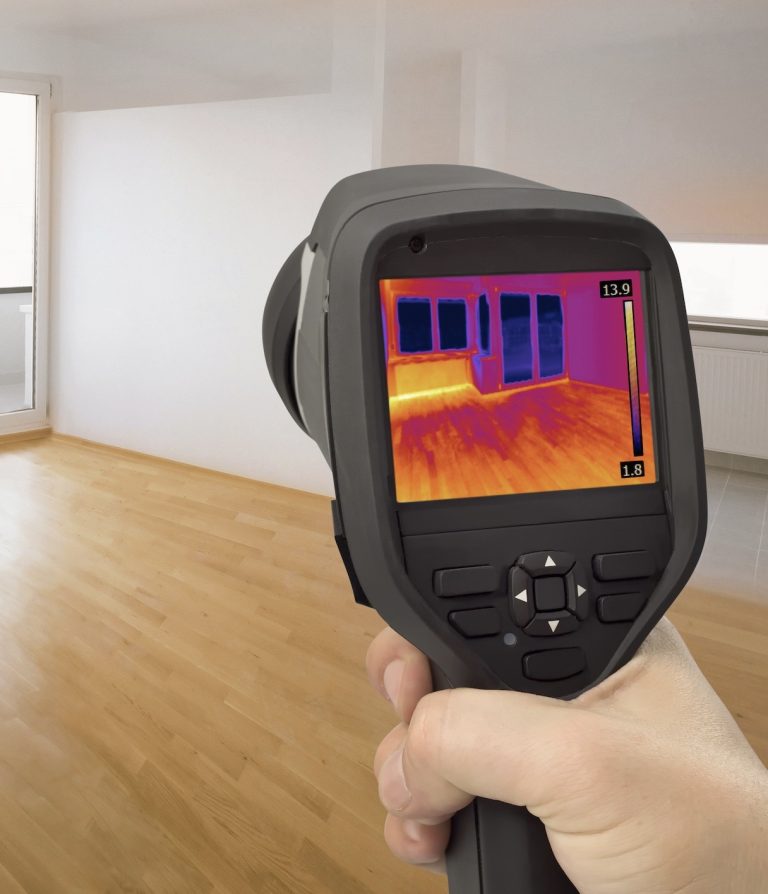
“What are you looking for?” is the question I hear most often on inspection day, and it’s one of the most searched home inspection questions on Google. The short answer is: anything that could affect the safety, value, or function of the home. The longer answer is more useful, because certain problems show up again and again.
I’m an InterNACHI Certified Professional Inspector (CPI) and the owner of Sherlock Homes Inspection Co, LLC, serving the greater Atlanta area. After more than 1,000 residential inspections, I can tell you which issues I expect to find before I ever pull into the driveway. Here are the ten I report most often, and what each one means for you.
How Inspectors Approach a Home
Under the InterNACHI Residential Standards of Practice, a home inspection is a non-invasive, visual examination of the readily accessible systems and components of the home. I work through the roof, exterior, foundation and structure, attic, insulation and ventilation, plumbing, electrical, heating and cooling, and the interior. For a full breakdown of the scope, see Understanding What Your Home Inspection Covers.
I’m not grading the house on looks. I’m looking for material defects: issues that could significantly affect the home’s value or pose an unreasonable risk to the people living in it. You can read more about that standard in Material Defects and How They Affect Your Home.
The 10 Problems I Find Most Often
1. Water Intrusion and Moisture Damage
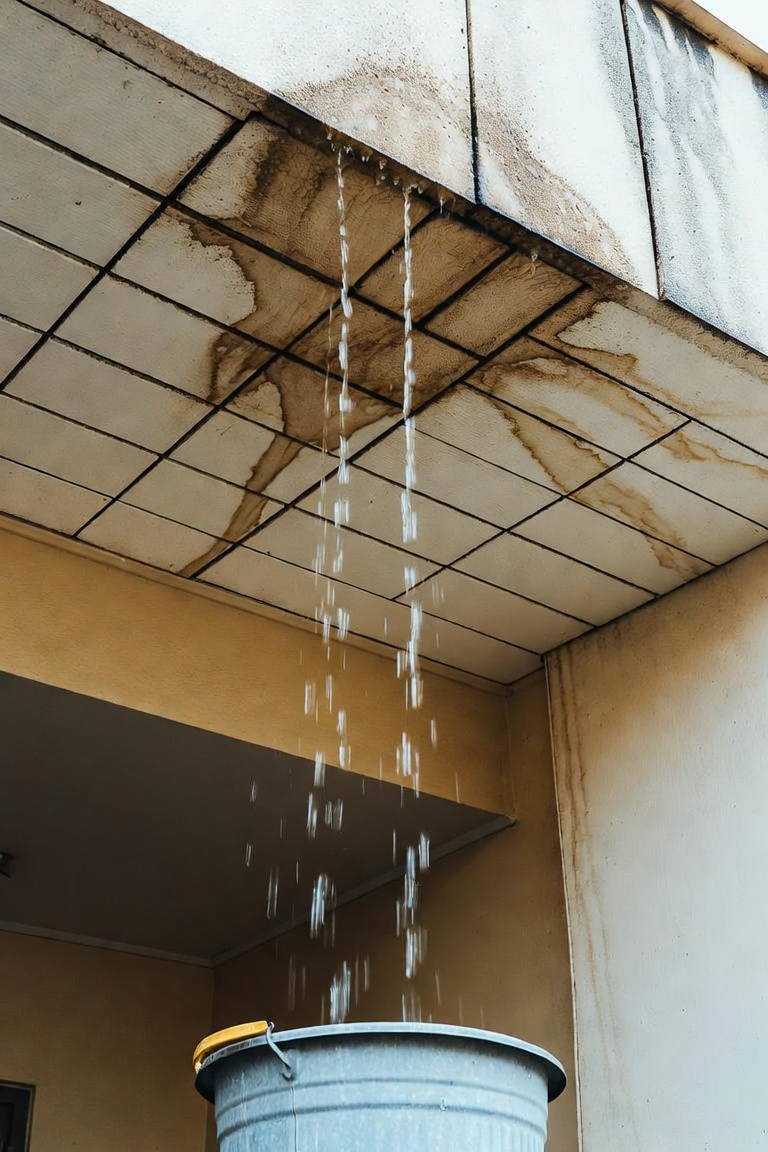
Water is a house’s biggest enemy. I look for stains on ceilings and walls, soft or swollen subfloors, efflorescence on basement walls, and elevated moisture readings. Moisture left unchecked leads to wood rot, mold growth, and structural damage.
2. Poor Grading and Drainage
Atlanta’s red clay doesn’t drain well. When soil slopes toward the house, or downspouts empty right at the foundation, water collects where it shouldn’t. This is one of the cheapest problems to fix and one of the most expensive to ignore.
3. Roof Wear and Flashing Problems
I check shingles, flashing, penetrations, gutters, and the roof structure from the attic. Missing or lifted shingles and poorly sealed flashing around chimneys and vents are common leak sources. More in 7 Common Causes of Roof Leaks and How to Fix Them.
4. Electrical Hazards
Double-tapped breakers, missing GFCI protection in wet areas, open junction boxes, reversed polarity, and amateur wiring are routine findings. Some older panels carry known safety concerns and may also affect your ability to get insurance.
5. Plumbing Leaks and Aging Materials
Slow leaks under sinks, corroded supply lines, improper drain slopes, and outdated piping materials all show up regularly. See 7 Common Plumbing Issues of the Modern Home Owner.
6. Water Heater Installation Issues
Missing or improperly routed temperature and pressure relief (TPR) discharge lines, missing drain pans, and venting problems are very common. Here are 8 Signs Your Water Heater is About to Blow.
7. HVAC Performance and Maintenance
Dirty filters, clogged condensate lines, rusted components, and poor temperature differential tell me a system hasn’t been maintained. Age alone isn’t a defect, but neglect often is. Read 5 Tips to Extend the Life of Your HVAC.
8. Foundation and Structural Movement
Stair-step cracks in brick, sloping floors, and doors that won’t latch can point to movement. Not every crack is serious, but some need a structural engineer. Learn the 8 Signs That Your Foundation Needs Repairs.
9. Attic Ventilation and Insulation Shortfalls
Thin or uneven insulation, blocked soffit vents, and bathroom fans venting into the attic instead of outdoors are all common. These raise energy bills and can lead to moisture problems. More in The Importance of Insulation.
10. Wood Rot and Deck Safety
Rotted trim, siding, and window sills are everywhere in our humid climate. Decks deserve special attention: missing flashing at the ledger board, undersized fasteners, and loose railings create real fall and collapse risks.
What This Means for Buyers and Sellers
Almost every home has items on this list, including new construction. A report with findings doesn’t mean the house is a bad buy. It means you know what you’re buying.
For buyers, the report helps you sort true deal-breakers from routine maintenance and supports your repair or credit requests. For sellers, knowing these common problems ahead of time lets you fix them on your own schedule and budget before a buyer’s inspector finds them.
The Bottom Line
Home inspectors look for problems that affect safety, value, and function, and the same ten issues account for most of what I report. Knowing them helps you walk into inspection day with realistic expectations and walk out with a clear plan.
If you’re buying or selling a home in Cobb, Fulton, DeKalb, Douglas, Gwinnett, or Paulding County, I’d be glad to help. Contact me directly at david@sherlockhic.com or 770-490-7948.
Quick Answers
What is the most common problem found in a home inspection?
Water-related issues, including poor drainage, roof leaks, and plumbing leaks, are the most common findings in Atlanta homes.
Do home inspectors check for code violations?
No. A home inspection is not a code-compliance inspection. Inspectors report defects that affect safety, value, or function, which often overlap with code issues but aren’t the same thing.
What fails a home inspection?
Nothing, technically. A home inspection isn’t pass or fail. It’s a report on the home’s condition that helps you decide how to move forward.