7 Common Causes of Roof Leaks and How to Fix Them
A roof leak is one of the most common and potentially damaging problems a homeowner can face. Even a small amount of water intrusion can lead to stained ceilings, damaged insulation, wood rot, mold growth, and structural issues if left unaddressed. During my home evaluations, roof-related water issues rank among the most frequently observed concerns.
According to InterNACHI’s Residential Standards of Practice, inspectors examine the roof-covering materials, gutters, downspouts, vents, flashing, skylights, chimneys, and other penetrations (typically from the ground or eaves), and report observed indications of active roof leaks. Understanding the most common causes helps homeowners recognize problems early and take appropriate action.
1. Failed or Damaged Flashing
Flashing—thin metal installed at roof transitions, chimneys, walls, dormers, valleys, and penetrations—is designed to direct water away from vulnerable joints. It is one of the most frequent sources of leaks. Over time, flashing can corrode, lift, crack, or pull away due to thermal expansion, improper original installation, or age. Sealant used as a primary barrier often fails.
Typical fix: A qualified roofer removes the damaged flashing and installs new step flashing, counter-flashing, or valley flashing using proper overlapping techniques. Relying solely on caulk is a temporary measure at best.
2. Damaged, Missing, or Deteriorated Shingles
Asphalt shingles (the most common residential covering) can crack, curl, lose granules, or blow off from wind, hail, UV exposure, or age. Missing or damaged shingles expose the underlayment and decking to direct water entry.
Typical fix: Individual damaged shingles can often be replaced. Lift the tabs of the surrounding shingles, remove nails, slide out the old shingle, insert a matching new one, re-nail, and seal. Extensive damage or widespread wear may require a larger section repair or full roof replacement. Safety note: Roof work is hazardous—most homeowners should hire professionals.
3. Deteriorated Pipe Boots and Vent Seals
Plumbing vent pipes and other roof penetrations are sealed with rubber or plastic boots. These materials degrade from sun exposure and temperature cycles, typically after 10–15 years, allowing water to run down the pipe into the attic.
Typical fix: Replace the boot. This is one of the more straightforward repairs for a roofer: remove surrounding shingles as needed, install a new boot, and reseal.
4. Clogged or Poorly Functioning Gutters and Downspouts
When gutters fill with leaves, debris, or ice, water backs up under the shingles at the eaves or overflows onto the fascia and into the structure. Improperly directed downspouts can also contribute to problems at the foundation or walls.
Typical fix: Clean gutters and downspouts at least twice a year (more often in tree-heavy areas). Ensure downspouts discharge well away from the foundation. Gutter guards can reduce future buildup. Repair or replace damaged sections.
5. Valley Problems
Valleys concentrate large volumes of runoff where two roof planes meet. If the valley metal or woven shingles are damaged, improperly installed, or clogged with debris, leaks are common.
Typical fix: Clean debris, repair or replace valley flashing or membrane, and ensure proper overlapping of materials.
6. Age-Related Wear and Storm Damage
All roofing materials eventually deteriorate from sun, weather cycles, and time. Hail, high winds, or falling branches accelerate damage. Ice dams in colder climates force meltwater under shingles.
Typical fix: Localized storm damage can often be repaired; widespread aging usually points toward replacement. Ice-dam prevention focuses on better attic insulation and ventilation to keep the roof surface colder.
7. Improper Installation or Other Penetrations
Poor original workmanship—missing or incorrect flashing, inadequate fastening, or poorly sealed skylights, satellite mounts, or other penetrations—creates long-term leak paths. Attic condensation from inadequate ventilation can also mimic roof leaks.
Typical fix: Correct the installation details. Address ventilation and air-sealing issues separately if condensation is the true source.
How to Respond to a Suspected Leak
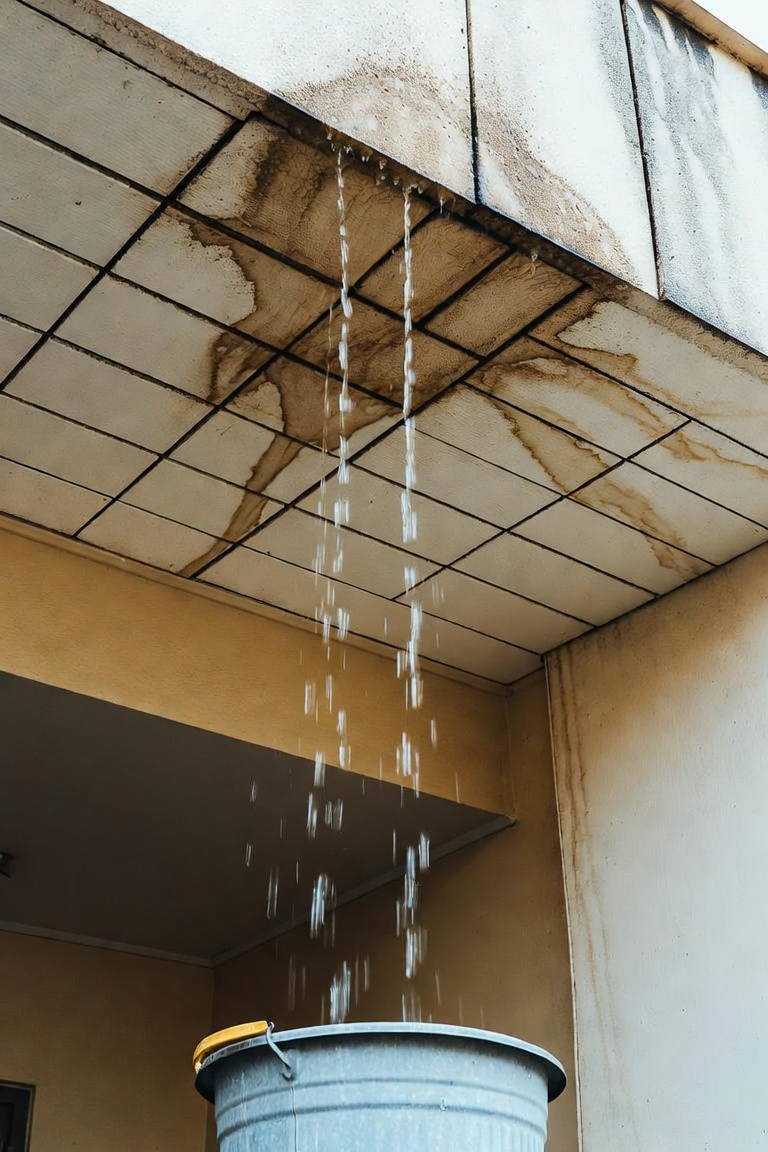
- Locate interior signs (ceiling stains, damp insulation, water marks in the attic).
- Note that water often travels along framing before appearing, so the entry point on the roof may not be directly above the stain.
- Address active water entry promptly to limit secondary damage.
- For most repairs involving walking on the roof or working at height, hire a qualified, insured roofing contractor. DIY attempts carry significant fall risk and may void warranties or insurance coverage.
Prevention Tips
- Schedule periodic professional roof inspections, especially after major storms or as the roof ages.
- Keep gutters clean and functional.
- Maintain proper attic ventilation and insulation.
- Trim overhanging tree branches.
- Address small issues before they grow.
A thorough home inspection can identify visible indications of roof problems and help you understand the current condition of the covering, flashings, and drainage system. At Sherlock Homes Inspection Co, LLC, I carefully evaluate these components according to InterNACHI Standards of Practice and provide clear documentation so you can make informed decisions.
If you notice signs of a possible roof leak or want an independent assessment of your roof’s condition, contact me through www.sherlockhic.com or directly at 770-490-7948.
Early detection and proper repairs protect your home’s structure, indoor air quality, and long-term value.