Understanding What Your Home Inspection Covers
A home inspection is one of the most important steps a buyer or homeowner can take to understand the true condition of a residential property. As an InterNACHI Certified Professional Inspector (CPI) and owner of Sherlock Homes Inspection Co, my work follows the InterNACHI Residential Standards of Practice (with close alignment to ASHI standards), which clearly define both what is included and what falls outside the scope of a standard inspection.
The Definition and Purpose
According to the InterNACHI Standards of Practice, a general home inspection is a non-invasive, visual examination of the readily accessible areas of a residential property. It is performed for a fee and is designed to identify defects within specific systems and components that are both observed and deemed material by the inspector. A material defect is a specific issue that may have a significant adverse impact on the property’s value or that poses an unreasonable risk to people. The fact that a system or component is near, at, or beyond the end of its normal useful life is not, by itself, a material defect.
The inspection is based on conditions observed on the day of the inspection. It is not a prediction of future performance, a warranty, a guarantee, or a code-compliance review.
Systems and Components Typically Covered
A standard residential home inspection evaluates the following major areas when they are readily accessible and safe to inspect:
Roof
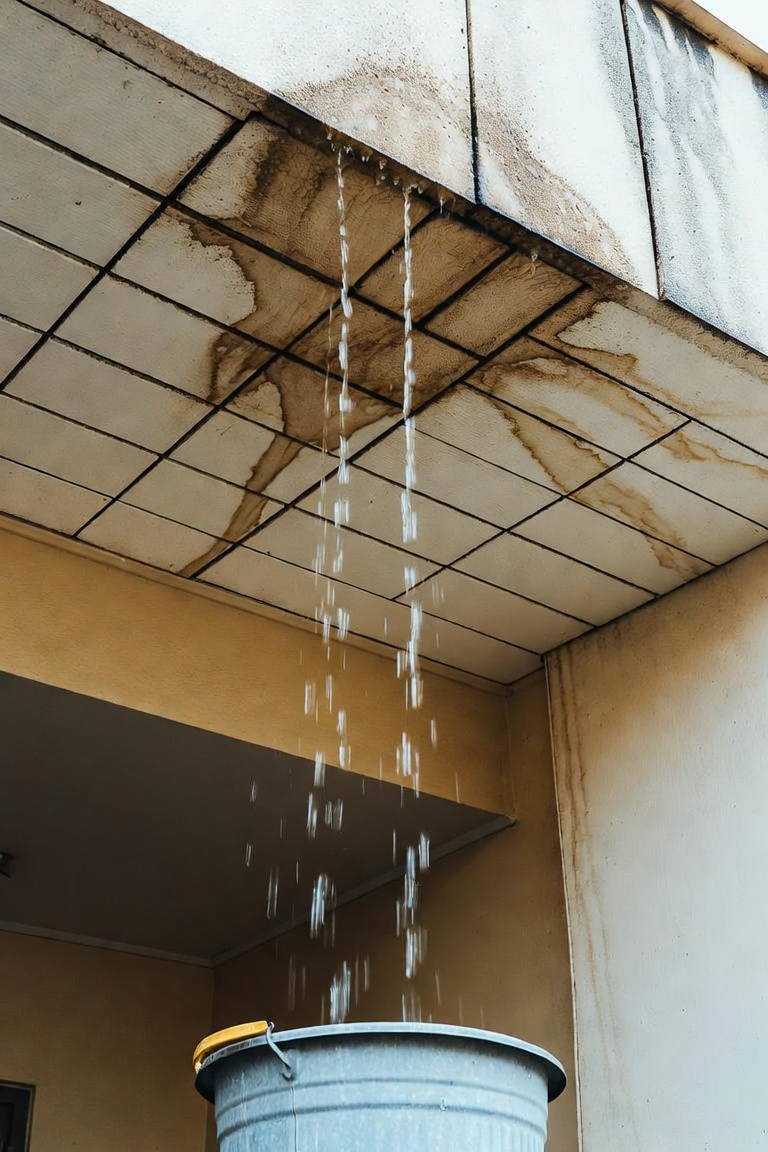
Roof-covering materials (viewed from the ground, eaves, or the roof surface when safe), gutters and downspouts, vents, flashings, skylights, chimneys, and other roof penetrations. The general structure of the roof is also observed from accessible panels, doors, or stairs.
Exterior
Exterior wall-covering materials, flashing and trim, exterior doors, attached decks, balconies, stoops, steps, porches, and railings. Walkways, driveways, vegetation, grading, drainage, and retaining walls that affect the dwelling are also examined.
Basement, Foundation, Crawlspace, and Structure
Foundation walls, floors, columns, beams, joists, and other structural components that are visible. Indicators of moisture, settlement, or significant movement are noted when observed.
Heating System
The installed heating equipment and distribution system, operated using normal controls when conditions permit. This includes the furnace or boiler, ductwork or piping, and related components.
Cooling System
The installed cooling equipment and distribution system, operated with normal controls when outdoor temperatures allow safe testing.
Plumbing
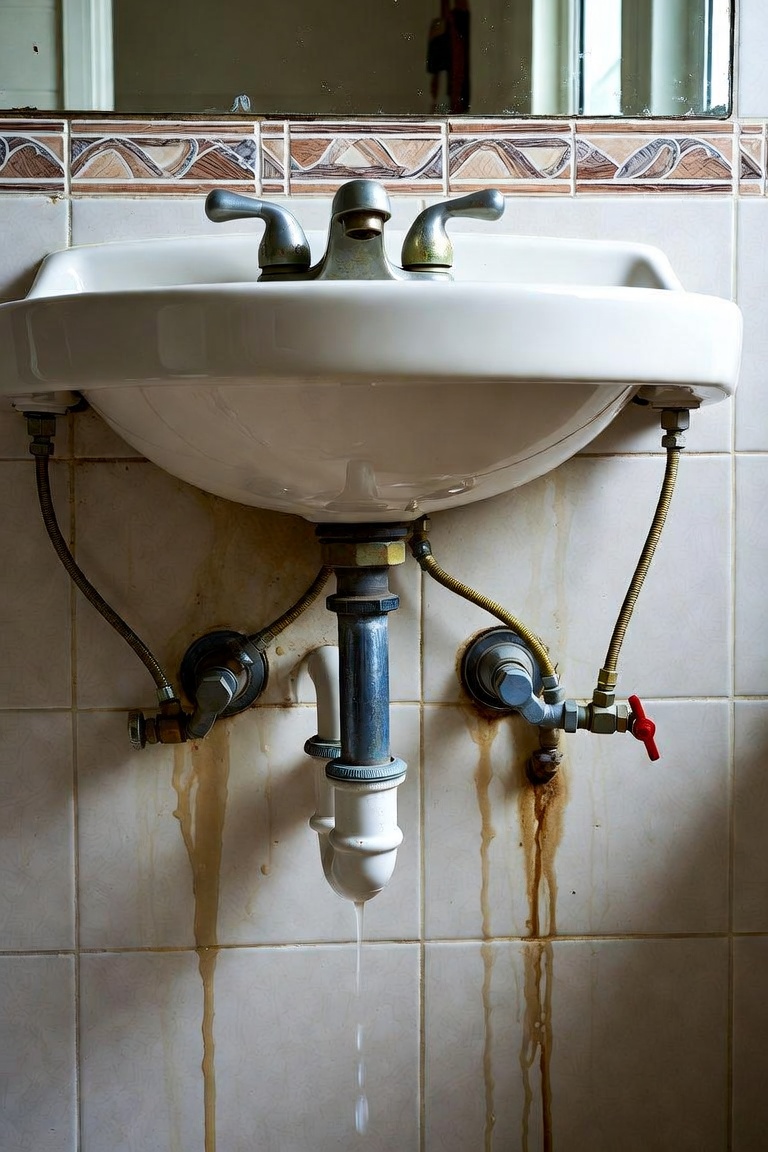
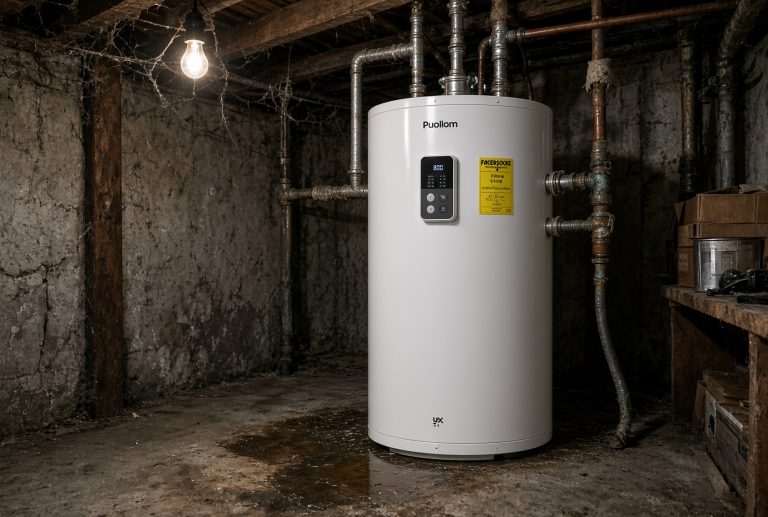
Interior water supply and distribution systems (including fixtures and faucets), drain, waste, and vent systems, water heating equipment (including the temperature-pressure relief valve), and sump pumps when present. Fuel storage and distribution systems are also observed where visible.
Electrical
Service entrance conductors, main and distribution panels, grounding and bonding, a representative number of switches, receptacles, and light fixtures, and installed smoke and carbon monoxide alarms.
Fireplace and Solid-Fuel Burning Appliances
Visible portions of fireplaces, stoves, and related chimneys or vents when present.
Attic, Insulation, and Ventilation
Insulation and vapor retarders in unfinished spaces, ventilation of attics and foundation areas, and kitchen, bathroom, and laundry venting systems.
Doors, Windows, and Interior
A representative number of doors and windows, walls, ceilings, floors, steps, stairways, and railings. Permanently installed cabinets and countertops are also observed.
The inspector operates systems and components using normal operating controls and reports observed material defects in a written report, often with photographs and recommendations for further evaluation by specialists when appropriate.
Important Limitations and What Is Not Covered
The Standards of Practice are equally clear about exclusions. A standard home inspection:
- Is not technically exhaustive and will not identify every possible issue that exists or could ever exist.
- Does not identify concealed or latent defects (those hidden behind walls, under floors, or in inaccessible areas).
- Does not address purely aesthetic or cosmetic concerns.
- Does not determine the suitability of the property for any particular use, its market value, insurability, or the advisability of purchase.
- Does not include environmental testing (mold, radon, asbestos, lead, etc.), pest inspections, or specialized evaluations unless separately arranged.
- Does not require the inspector to move personal belongings, dismantle systems, or enter areas that appear unsafe.
- Does not verify compliance with building codes or manufacturer installation instructions (although deviations that create material defects may still be reported).
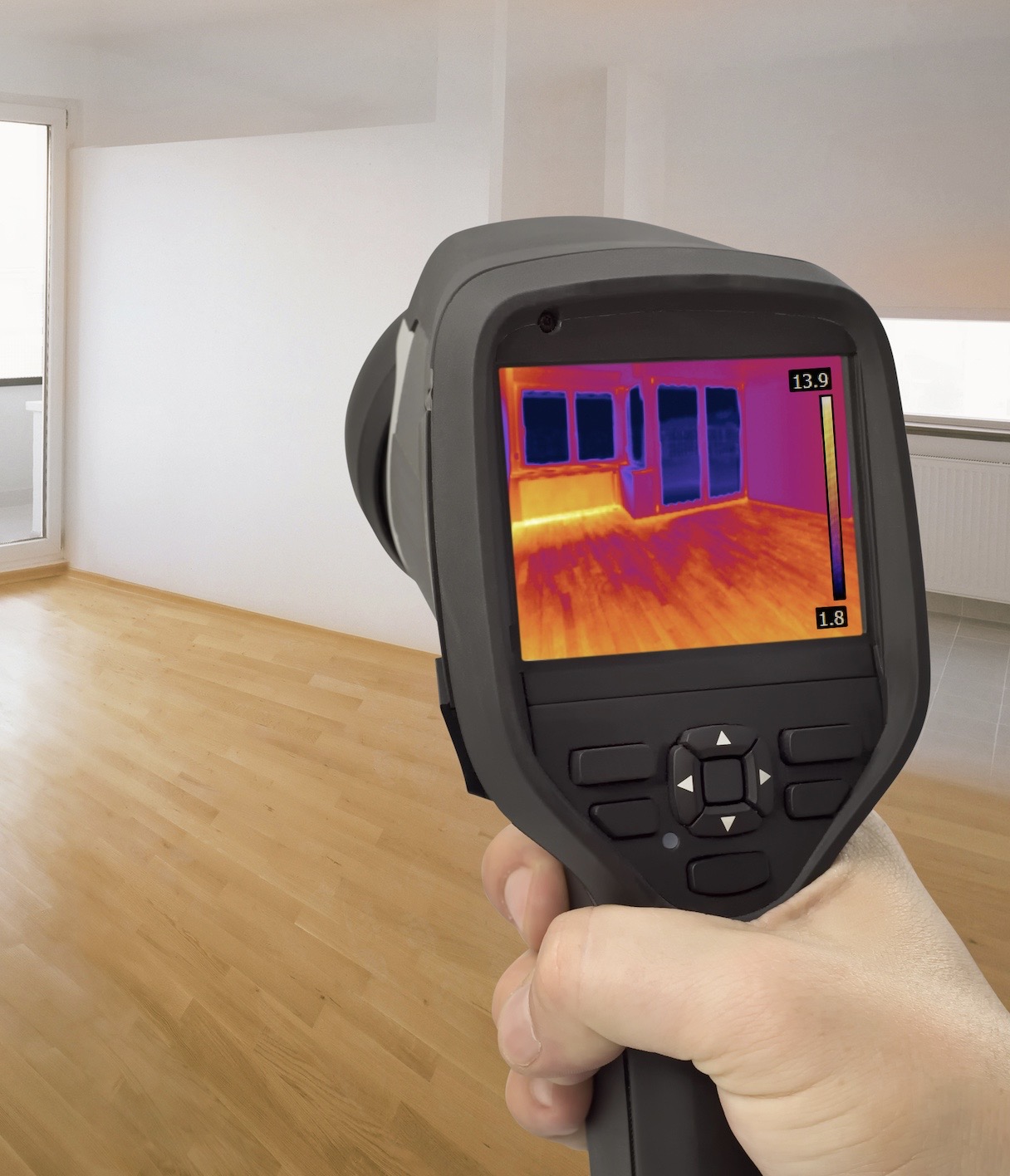
Additional services such as radon testing, sewer scopes, thermal imaging, or pool inspections can often be added but are not part of the basic scope.
The Written Report
After the on-site inspection (typically 2–4 hours for an average home), you receive a written report that identifies the systems inspected, describes observed material defects, and may include additional comments or recommendations. The report reflects the condition of the property on the specific date of the inspection.
Why This Matters
Understanding exactly what is covered helps set realistic expectations. A thorough inspection provides independent, professional insight into the major systems that affect safety, function, and value. It does not guarantee a problem-free home, but it gives buyers and homeowners the information needed to make informed decisions, negotiate effectively, or plan future maintenance.
At Sherlock Homes Inspection Co, I follow InterNACHI Standards of Practice to deliver clear, detailed reports focused on the issues that truly matter. Whether you are buying a home, preparing to sell, or simply want a professional evaluation of your current property, a standard home inspection offers valuable peace of mind.
Visit www.sherlockhic.com to schedule an inspection or to learn more about the process. Knowing what is covered—and what is not—helps you get the full benefit of this important service.