Yes! Your New Construction Home Needs A Home Inspection
Many buyers assume a brand-new home does not require a professional inspection. After all, the builder has a reputation to protect, municipal inspectors have signed off on the work, and a warranty is in place. While those points have some validity, the reality is that new construction homes frequently contain defects—some minor, some significant—that can affect safety, performance, and long-term costs.
The InterNACHI Residential Standards of Practice apply equally to new construction: a non-invasive, visual examination of accessible systems and components designed to identify material defects observed on the day of the inspection. “New” does not automatically mean free of issues that could impact value or pose risks to occupants.
The Myth of Perfection
New homes are built by people under real-world constraints. Multiple subcontractors handle different systems on tight schedules. Labor shortages, material substitutions, and communication gaps between trades are common. Even reputable builders can have installation errors, incomplete work, or deviations from manufacturer instructions. Industry experience consistently shows that the majority of new homes have at least some deficiencies, and a meaningful percentage have issues significant enough to warrant correction.
Municipal building inspectors perform an important role, but their focus is limited. They verify that construction meets the minimum requirements of the local building code at specific stages. They work for the jurisdiction, not the buyer, and they do not conduct a comprehensive quality or performance evaluation of the finished home from the homeowner’s perspective.
What an Independent Home Inspection Adds
A professional home inspection follows InterNACHI (and similar ASHI) Standards of Practice. The inspector works solely for the client and evaluates the visible and accessible portions of the roof, exterior, structure, plumbing, electrical, HVAC, insulation, ventilation, and interior components. The goal is to identify material defects—specific issues that may have a significant adverse impact on the property’s value or that pose an unreasonable risk to people.
Common findings in new construction include:
- Improper or missing flashing at roofs, windows, and penetrations (a frequent source of future leaks)
- HVAC installation problems such as poor duct sealing, incorrect sizing, or inadequate airflow
- Plumbing issues including incorrect drain slope, missing cleanouts, or leaks at connections
- Electrical concerns such as improperly secured wiring, missing covers, or incomplete grounding
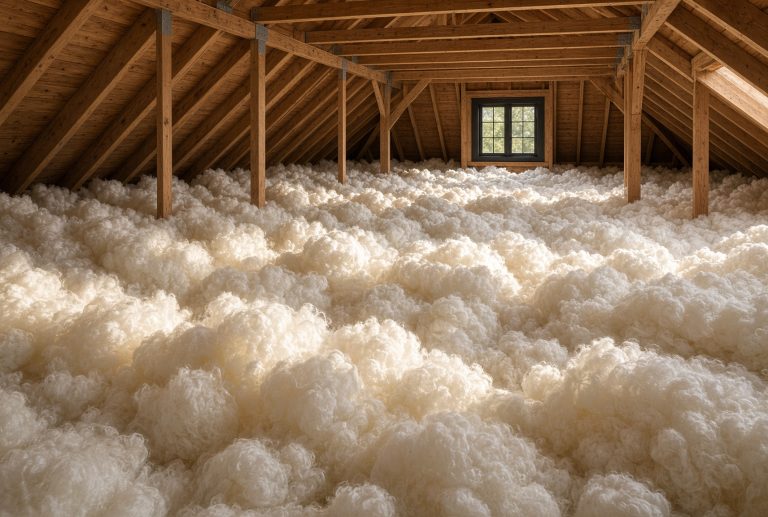
- Incomplete or poorly installed insulation and air sealing
- Grading and drainage that directs water toward the foundation
- Window and door installation deficiencies that affect weather-tightness or operation
- Structural details (connections, bracing, or foundation elements) that do not meet best practices even if they pass minimum code checks
These items are often easier and far less expensive to correct before closing or while the builder’s warranty is in full effect.
Timing Matters: Phased Inspections
For new construction, inspections can be especially valuable when performed at key stages:
- Pre-drywall (framing and rough-in) — Allows inspection of structural framing, plumbing, electrical, and HVAC before they are concealed.
- Final / pre-closing inspection — A full evaluation of the completed home, similar in scope to a resale inspection.
- 11-month warranty inspection — Documents any issues that appear after move-in so they can be addressed under the builder’s warranty before it expires.
Even a single final inspection provides substantial protection. Catching problems while the builder is still responsible transfers the cost of correction away from the buyer.
Financial and Practical Benefits
The cost of a standard home inspection is modest compared with the purchase price of a new home and the potential cost of later repairs. Findings documented before closing give buyers leverage to request corrections as part of the punch list or final walkthrough. After closing, the same issues may become the owner’s responsibility once warranty periods expire.
An independent inspection also provides peace of mind. You receive a clear, third-party report of the home’s condition on a specific date, helping you understand both the strengths of the construction and any items that need attention.
Bottom Line
New construction homes are complex projects completed under time and cost pressures. Municipal code inspections confirm minimum legal compliance; they do not replace an independent evaluation performed on behalf of the buyer. A professional home inspection conducted according to InterNACHI Standards of Practice identifies observable material defects, protects your investment, and helps ensure that warranty coverage is used effectively.
Whether you are purchasing a newly built home or evaluating one still under construction, an independent inspection is a wise step. At Sherlock Homes Inspection Co, LLC, I provide thorough, unbiased evaluations that help buyers move forward with confidence. Visit www.sherlockhic.com to schedule an inspection or learn more about protecting your new home investment.