What’s Wrong with My Plumbing!? | 7 Common Plumbing Issues of the Modern Home Owner
Plumbing problems are among the issues I encounter most frequently during residential inspections. Leaks, aging pipes, faulty fixtures, and drainage problems can waste water, cause hidden damage, promote mold growth, and lead to expensive repairs if ignored.
According to InterNACHI’s Residential Standards of Practice, inspectors examine the main water and fuel shut-off valves, water heating equipment (including temperature-pressure relief valves), interior water supply and fixtures by running water, toilets by flushing, sinks, tubs, and showers for functional drainage, the drain-waste-vent system, and accessible sump pumps. We report active leaks, deficiencies in functional flow, and other observable problems. Here are the most common plumbing issues homeowners and buyers should understand.
1. Leaks (Supply Lines, Fixtures, and Connections)
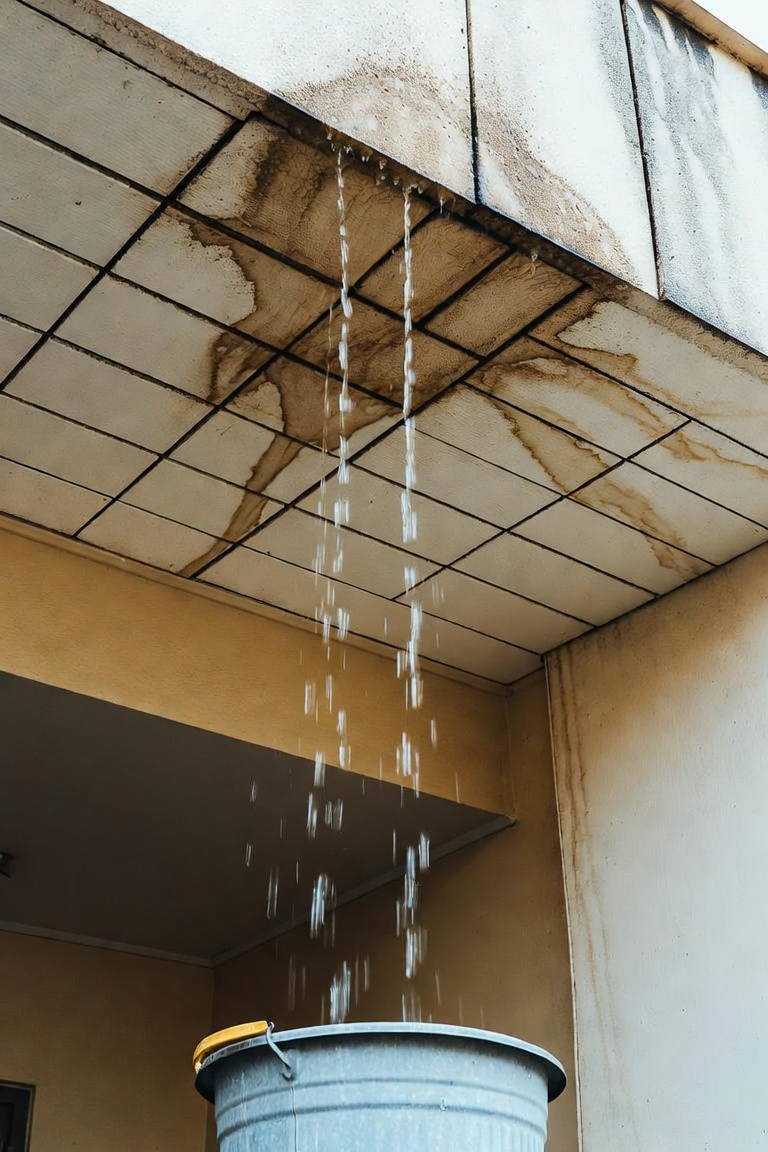
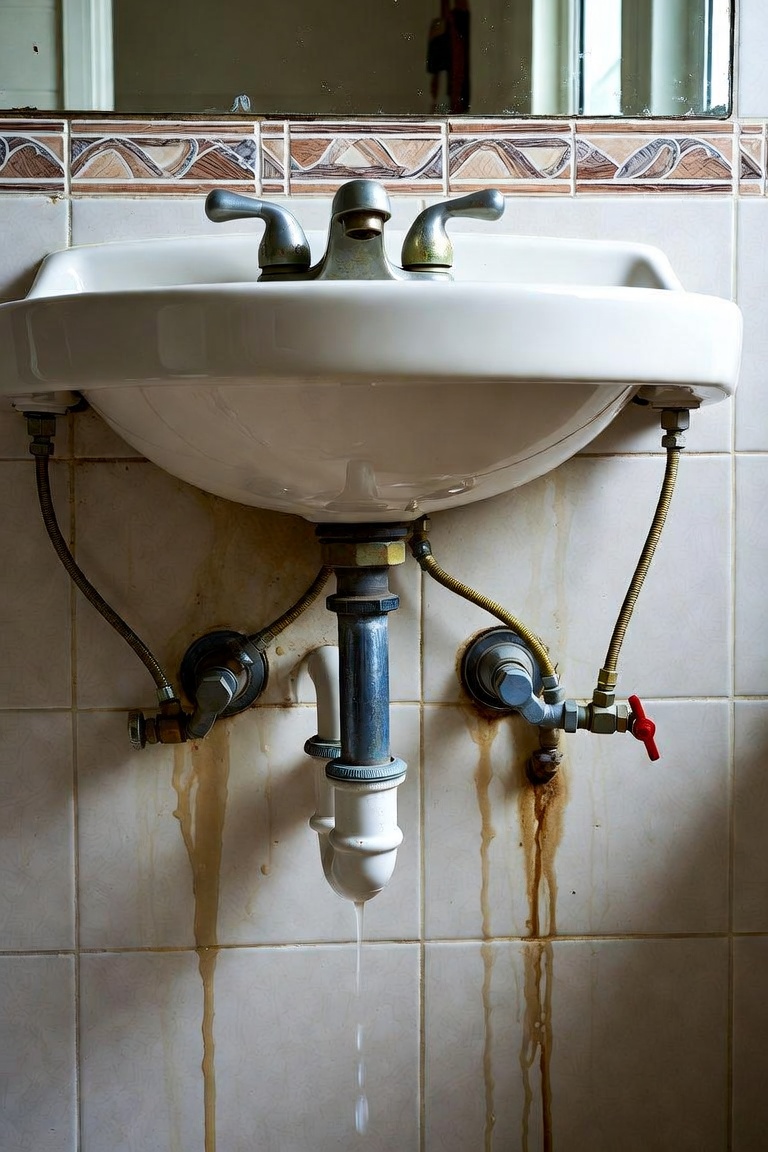
Leaks are the single most frequent plumbing concern. They can occur at supply lines under sinks, at faucet connections, around toilet bases (often from a failed wax ring), at pipe joints, or from corroded fittings. Even slow drips waste significant water over time and can damage cabinets, flooring, and structural materials while creating conditions for mold.
Signs: Water stains, dampness under sinks or around toilets, musty odors, higher-than-normal water bills, or visible dripping.
What to do: Tighten accessible connections if safe, replace worn supply hoses, or call a plumber for hidden or persistent leaks. Address them promptly to limit secondary damage.
2. Aging or Problematic Pipe Materials
Older homes often contain galvanized steel pipes that corrode from the inside out, reducing flow and eventually leaking. Homes built roughly between the late 1970s and mid-1990s may have polybutylene piping, which has a well-documented history of failure. Incompatible materials joined improperly can also create weak points.
Signs: Low or uneven water pressure, discolored water, visible rust or corrosion on exposed pipes, or frequent leaks.
What to do: A licensed plumber can evaluate the system and recommend targeted repairs or full repiping when necessary. Identification of these materials during an inspection is valuable information for buyers and owners.
3. Dripping Faucets and Running Toilets
Worn washers, cartridges, O-rings, flappers, or fill valves are extremely common. A faucet dripping once per second can waste thousands of gallons per year. A running toilet can waste even more.
Signs: Constant dripping, water continuously running into the toilet bowl, or the fill cycle restarting without a flush.
What to do: Many of these are straightforward DIY fixes—replace the washer/cartridge or flapper/fill valve after shutting off the local supply. If the problem persists or shut-offs are frozen, call a professional.
4. Clogged or Slow Drains
Hair, soap scum, grease, food particles, and mineral buildup restrict flow in sinks, showers, and tubs. Improperly pitched drain lines or inadequate venting can worsen the issue. Corrugated flexible drain tubing (sometimes used in DIY repairs) is prone to clogging and is generally not accepted under modern standards.
Signs: Slow drainage, standing water, gurgling sounds, or sewer gas odors.
What to do: Use strainers, avoid pouring grease down drains, and try a plunger or enzymatic cleaners for minor clogs. Persistent or whole-house backups require a plumber, possibly with camera inspection of the lines.
5. Water Heater Problems
Common issues include missing or improperly discharged temperature-pressure relief (TPR) valves, corrosion, leaks at connections, sediment buildup, and age-related failure. An improperly installed or non-functional TPR valve is a safety concern.
Signs: Leaks around the base or connections, rusty water, insufficient hot water, or unusual noises.
What to do: Have a qualified technician inspect and service the unit annually. Replace aging tanks (typical life 8–12 years for conventional units) before they fail catastrophically.
6. Low Water Pressure or Restricted Flow
This can result from corroded pipes, partially closed valves, clogged aerators, or demand exceeding supply capacity. Inspectors check functional flow by operating two fixtures simultaneously.
Signs: Weak flow from faucets or showers, especially when multiple fixtures are used.
What to do: Clean aerators first. If the problem is system-wide, a plumber should investigate pipe condition, pressure regulators, or supply issues.
7. Fixture and Installation Deficiencies
Loose toilets, cracked ceramic, missing shut-off handles, improper hot/cold faucet orientation, missing or non-operating drain stops, and poorly supported or vented drain lines appear regularly. These may seem minor but can lead to leaks or operational problems.
Prevention and When to Call a Professional
- Know the location of your main water shut-off valve and test it periodically.
- Inspect under sinks and around toilets regularly for dampness.
- Avoid chemical drain cleaners that can damage pipes.
- Schedule professional service for water heaters and any recurring issues.
- Address small problems before they escalate.
Many plumbing issues are visible or detectable during a standard home inspection. At Sherlock Homes Inspection Co, LLC, I carefully evaluate the accessible portions of the plumbing system according to InterNACHI Standards of Practice and document findings clearly so you can prioritize repairs.
Whether you are buying a home, selling one, or maintaining your current property, understanding these common plumbing issues helps protect your investment and avoid unexpected water damage.
Call or email to schedule an inspection or learn more about how a thorough evaluation can give you peace of mind.
Email: david@sherlockhic.com
Phone: 770-490-7948