8 Signs That Your Foundation Needs Repairs
Your home’s foundation is its literal base of support. When something goes wrong with it, the effects can show up throughout the house—in cracked walls, sticking doors, uneven floors, and more. Foundation concerns are among the issues I see most often, and early recognition can make a significant difference in cost and stress.
A standard home inspection follows InterNACHI and ASHI Standards of Practice. Inspectors visually examine the foundation, basement or crawlspace, and accessible structural components. We report observed indications of possible movement—such as cracks in sheetrock or brick, out-of-square door frames, and unlevel floors—along with signs of water penetration or wood in contact with soil. We do not perform engineering calculations or determine structural adequacy; those determinations belong to a licensed structural engineer when needed. Here is what homeowners and buyers should watch for if they suspect foundation problems.
Common Interior Signs
Start inside the house, where many clues first appear.
1. Cracks in walls and ceilings
Not every crack signals a serious foundation problem. Hairline vertical cracks are often the result of normal concrete shrinkage or minor settling and are usually not structurally threatening if they are less than about ¼ inch wide and show no vertical or horizontal displacement. Diagonal cracks (often running at roughly 45 degrees from the corners of doors or windows) and stair-step cracks in masonry can indicate differential settlement—one part of the foundation moving more than another. Horizontal cracks in basement or foundation walls are generally more concerning because they can suggest lateral soil pressure pushing inward. Clean, fresh-looking cracks may indicate recent movement; older, dirt-filled or previously patched cracks may be stable.
2. Doors and windows that stick or no longer fit properly
When a foundation shifts, frames can go out of square. Doors may bind, fail to latch, or leave uneven gaps. Windows can become difficult to open or close. A single sticky door in an older home is not always alarming, but multiple doors or windows showing the same problem, especially when combined with other signs, deserve attention.
3. Uneven or sloping floors
Floors that slope, sag, or feel springy underfoot can point to foundation movement or related structural issues below. Some homes were built slightly out of level, and minor variations (often up to about one inch in twenty feet) are frequently considered tolerable. More pronounced slopes or changes over time warrant further evaluation.
4. Gaps and separations
Look for gaps between walls and ceilings, around window or door frames, or between cabinetry and walls. Trim that has pulled away or baseboards that no longer sit flush can also be indicators.
Exterior and Below-Grade Clues
Walk the outside of the house and, if accessible and safe, examine the basement or crawlspace.
5. Exterior Cracks and Separations
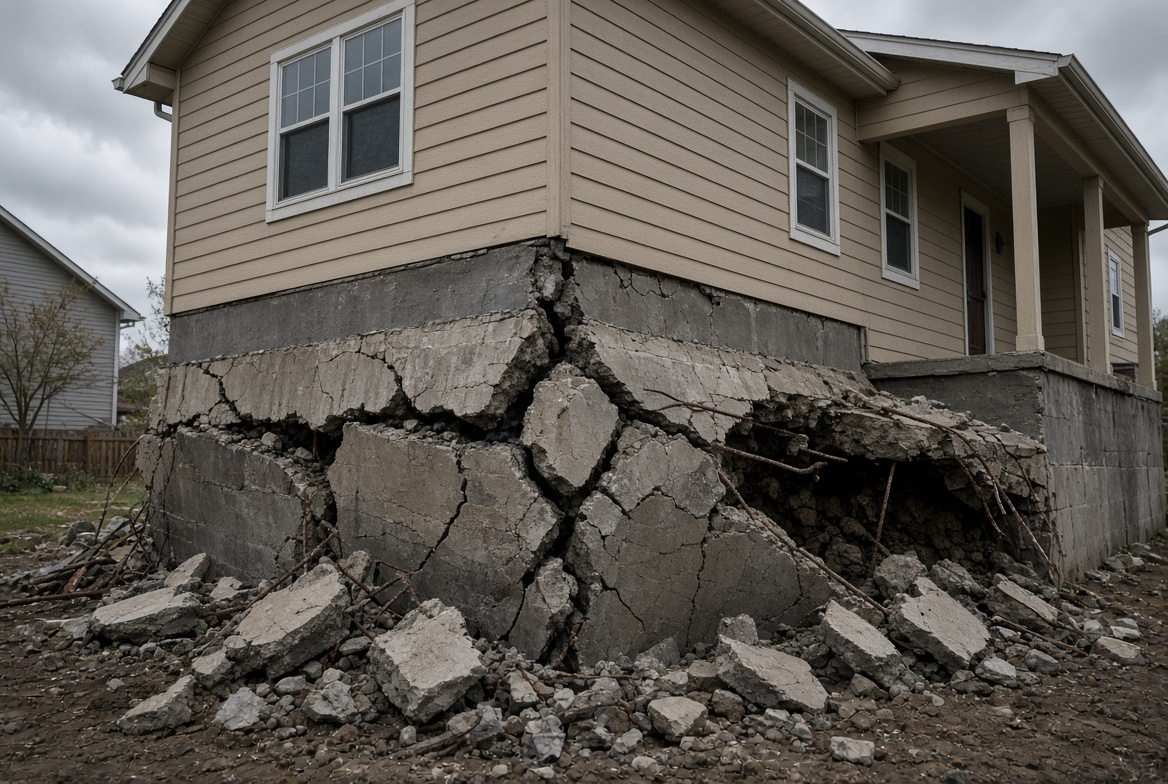
Stair-step cracks in brick or block veneer that follow the mortar joints are classic signs of settlement or shifting. Gaps between the foundation and the sill plate, or separations at the corners of the house, can also appear. Cracks wider than ¼ inch, or those showing displacement, should be noted.
6. Bowing, leaning, or bulging walls
Foundation walls that curve inward, lean, or bulge are serious red flags, often related to hydrostatic pressure from wet soil. Horizontal cracks frequently accompany this condition.
7. Moisture-Related Evidence
Efflorescence (white, powdery mineral deposits on masonry), water stains, dampness, or active seepage in the basement or crawlspace often accompany foundation concerns. Poor exterior grading—soil that slopes toward the house instead of away—or downspouts that discharge too close to the foundation can contribute to or worsen these problems. InterNACHI guidance emphasizes that soil should slope away from the foundation for a reasonable distance to help prevent water-related movement.
8. Other Indicators
A leaning chimney, gaps at exterior trim, or evidence of previous repair attempts (such as patched cracks that have reopened) can also signal ongoing issues.
Causes and Context
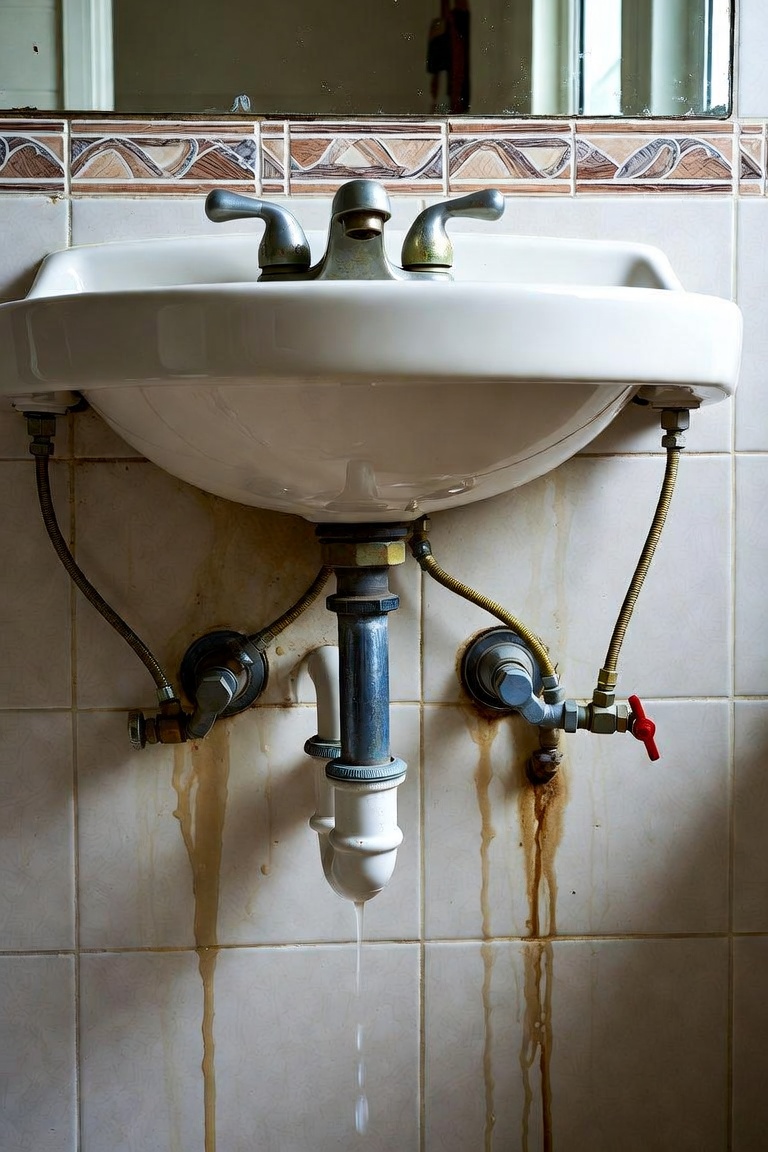
Foundation movement is commonly linked to soil conditions (expansive clay that swells when wet and shrinks when dry), poor drainage, inadequate compaction during construction, or changes in moisture levels from plumbing leaks, heavy rain, or drought. Many homes experience some degree of settling, especially in the early years. The key is distinguishing normal, stable conditions from progressive problems that require attention.
What to Do Next
If you notice several of these signs, especially horizontal cracks, significant displacement, bowing walls, or rapidly changing conditions, arrange a professional evaluation. A thorough home inspection by an InterNACHI or ASHI-affiliated inspector can document the observable conditions and help you decide whether a structural engineer’s assessment is warranted.
Do not ignore drainage and grading. Keeping water away from the foundation is one of the most effective ways to limit future movement. Clean gutters, extend downspouts, and maintain positive slope around the house.
At Sherlock Homes Inspection Co, LLC, I carefully examine foundations and structural components during every residential inspection, following InterNACHI Standards of Practice. I report what I observe in clear language so you can make informed decisions—whether you are buying a home, selling one, or simply want peace of mind about the property you already own.
If you suspect foundation issues or are preparing to buy or sell, contact me: david@sherlockhic.com or 770-490-7948.
Early detection and accurate information are the best tools for protecting your investment and your safety.