8 Signs Your Water Heater is About to Blow!
A reliable supply of hot water is something most homeowners take for granted—until it fails. Water heaters work hard every day, and like any mechanical system, they eventually reach the end of their useful life. Water heater condition is one of the items I evaluate carefully during every plumbing inspection.
According to InterNACHI’s Residential Standards of Practice, inspectors examine the water heating equipment, including the energy source, venting connections, temperature-pressure relief (TPR) valves, and seismic bracing where applicable. We describe the capacity if it is labeled on the unit. While a standard inspection does not determine remaining life expectancy, the visible condition and performance clues often make it clear when replacement should be considered.
Typical Lifespan
Traditional tank-style water heaters (gas or electric) generally last 8 to 12 years, though well-maintained units in areas with soft water may reach 12–15 years. Tankless (on-demand) units often last 15 to 20 years or longer with regular descaling. Hard water, high usage, lack of maintenance, and sediment buildup can shorten these ranges significantly.
You can usually find the manufacture date on the data plate or by decoding the serial number. If the unit is approaching or past the 10-year mark, start planning for replacement even if it is still working.
Clear Signs It Is Time to Replace
1. Age of 10 years or more
Once a tank water heater reaches or exceeds 10 years, the risk of failure rises. Proactive replacement is often wiser than waiting for a sudden leak or complete loss of hot water.
2. Water leaking from the tank itself
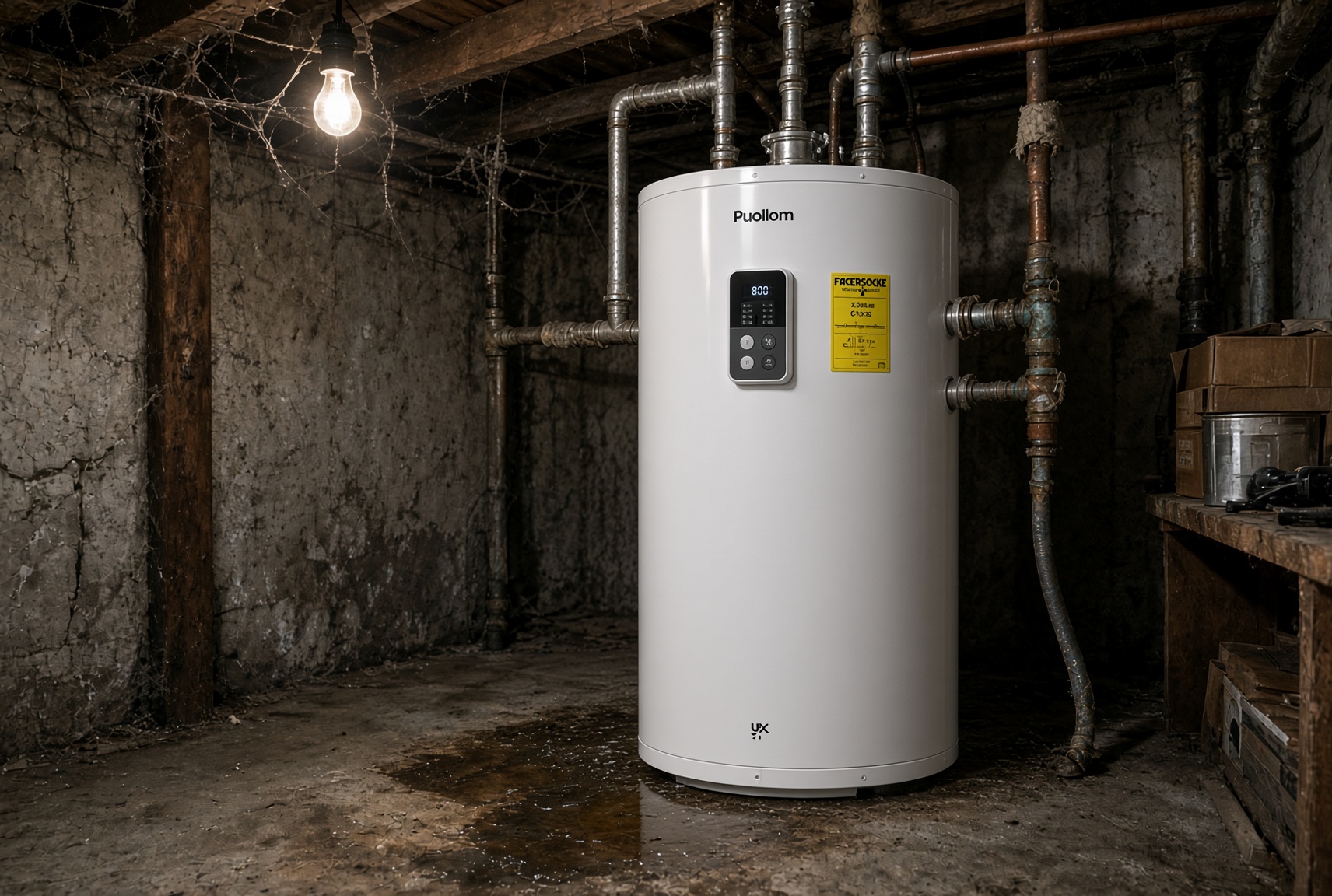
Leaks at fittings or the TPR valve can sometimes be repaired. Water pooling at the base or seeping from the tank body almost always means the tank has corroded through and cannot be fixed. Shut off the water and power (or gas) and arrange for replacement promptly to avoid major water damage.
3. Rusty or discolored hot water
If hot water appears brown, orange, or rusty while cold water remains clear, internal tank corrosion is likely occurring. This is a strong indicator that the tank is deteriorating and replacement is needed.
4. Unusual noises
Rumbling, popping, or banging sounds usually indicate heavy sediment buildup at the bottom of the tank. The sediment causes the unit to work harder, reduces efficiency, and accelerates wear. Flushing may help temporarily, but severe or persistent noise on an older unit often signals the need for replacement.
5. Insufficient or inconsistent hot water
If the tank runs out of hot water faster than it used to, or temperatures fluctuate, the heating elements, thermostat, or tank capacity may be compromised by sediment or wear. On older units, these symptoms frequently point toward replacement rather than repeated repairs.
6. Rising energy bills without other explanation
An aging water heater loses efficiency. If utility costs climb while usage stays the same, the unit may be consuming more energy to produce the same amount of hot water.
7. Frequent repairs
If you have needed multiple service calls in a short period, or a single repair estimate approaches half the cost of a new unit, replacement is usually the better long-term investment—especially on a unit older than 8–10 years.
8. Visible external corrosion or other damage
Heavy rust on the tank exterior, damaged TPR valve discharge piping, or compromised venting (on gas units) are additional red flags that warrant professional evaluation and often replacement.
Repair vs. Replace Decision Guide
- Repair is usually appropriate if the unit is under 8 years old, the tank itself is sound, and the problem is a single replaceable component (heating element, thermostat, anode rod, or valve).
- Replace is generally the smarter choice if the unit is 10+ years old, the tank is leaking or heavily corroded, multiple issues exist, or the repair cost is high relative to a new installation.
What a Home Inspection Can Reveal
During an inspection, I look for active leaks, proper TPR valve installation and discharge piping, signs of corrosion, venting condition on gas units, and overall accessibility and installation quality. These observations help buyers and owners understand the current condition and plan accordingly. Note that inspectors are not required to determine remaining service life or test water temperature/adequacy beyond observable function.
Simple Maintenance That Extends Life
Annual flushing to remove sediment, periodic anode rod inspection/replacement, and testing the TPR valve can help a water heater reach the longer end of its expected lifespan. Keeping the area around the unit clear and ensuring proper drainage also reduces risk.
If your water heater is showing any of the warning signs above, or if you simply want an independent assessment of its condition as part of a full home inspection, contact Sherlock Homes Inspection Co, LLC.
Visit www.sherlockhic.com to schedule an appointment. Identifying problems early gives you more options, better timing, and greater peace of mind—whether you are maintaining your current home or evaluating a property you plan to buy.