Repairs or Credits? What to Ask For After a Home Inspection
The inspection is done, and you have a detailed report in hand. Now comes the part that makes or breaks a lot of deals: deciding what to ask the seller for. Ask for too little, and you inherit costly problems. Ask for too much, and you can lose a house you love.
As an InterNACHI Certified Professional Inspector (CPI) and the owner of Sherlock Homes Inspection Co, LLC, I write reports with this moment in mind. Here’s how to turn your inspection findings into a reasonable, effective request.
Your Three Main Options
After the inspection, buyers generally ask for one of three things, or a combination:
1. Seller Repairs
The seller fixes specific items before closing. This works well for safety issues and items that need to be corrected before you move in. The downside is that you don’t control who does the work or how well it’s done.
If you go this route, ask that repairs be completed by licensed and insured contractors, and request written receipts and any warranties. Then verify the work at your final walkthrough, or have your inspector come back for a re-inspection.
2. Seller Credits
The seller gives you money at closing, usually applied toward your closing costs, and you handle the repairs yourself after you own the home. Credits are often easier for sellers, who don’t have to coordinate contractors, and you get to choose who does the work.
One caution: lenders often limit how much a seller can contribute toward a buyer’s costs, depending on the loan type and down payment. Check with your lender before you settle on a number.
3. A Price Reduction
The seller lowers the purchase price. This can reduce your loan amount and monthly payment, but it doesn’t put cash in your hand for repairs. It makes the most sense for big-ticket items you plan to address over time.
What Is Reasonable to Ask For?
The strongest requests focus on what matters most. In my experience, these items are the most reasonable to request:
- Safety hazards: exposed wiring, missing GFCI protection, improper gas venting, unsafe decks or stairs
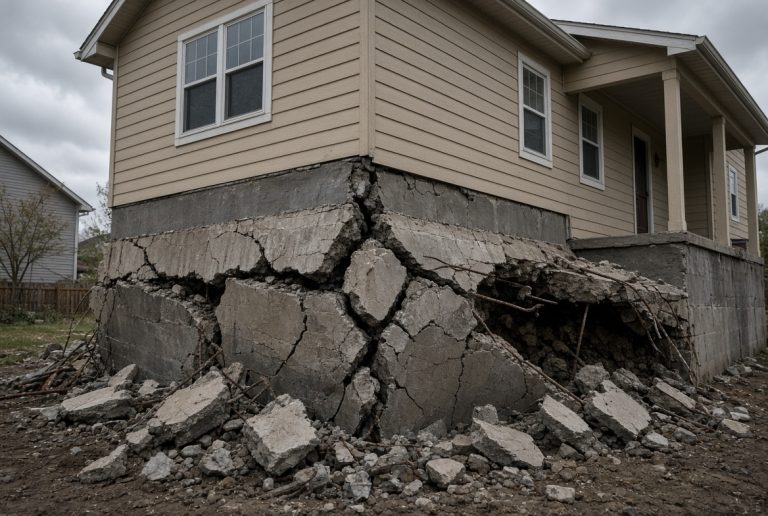
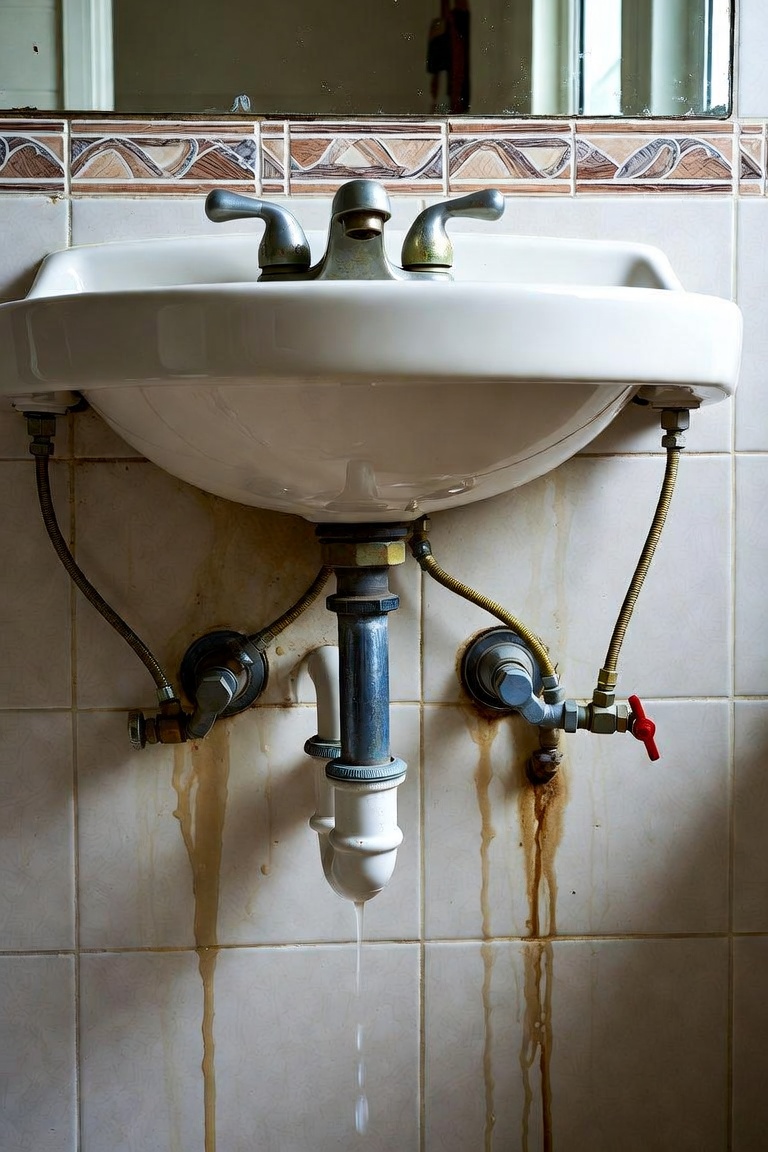
- Material defects: active roof leaks, plumbing leaks, structural concerns, failing systems
- Water intrusion: anything letting water into the home, plus the damage it caused
- Wood destroying organisms: active infestation and related damage
- Items your lender or insurer requires to be corrected before closing
These requests are much harder to justify:
- Cosmetic issues like paint, worn carpet, or outdated fixtures
- Routine maintenance such as replacing filters, caulking, or cleaning gutters
- Systems that are old but still working properly
- Minor items you could fix yourself for a few dollars
If you’re unsure where a finding falls, my article on Material Defects and How They Affect Your Home is a helpful guide.
How to Build a Request That Gets a Yes
- Prioritize. A short list of serious items carries more weight than a long list of everything in the report.
- Use real numbers. Get written estimates from licensed contractors. Specific quotes are hard to argue with.
- Reference the report. Cite the exact findings and include photos from the report.
- Think like the seller. Ask yourself whether most buyers would request the same item. If so, the seller probably expects it.
- Watch the clock. In Georgia, your due diligence period keeps running during negotiations. Extend it in writing if needed. See How Home Inspections Work During Georgia’s Due Diligence Period.
What If the Seller Says No?
The seller has no obligation to agree. They can accept, reject, or counter. If you can’t reach an agreement that works for you, you can usually still terminate during your due diligence period. For help making that call, read Can You Back Out of a House After the Home Inspection?
The Bottom Line
The best post-inspection requests are focused, documented, and fair. Concentrate on safety and material defects, back your request with real quotes, and keep an eye on your deadline. A clear, detailed inspection report is what gives your agent negotiating power.
If you’re buying in the greater Atlanta area, contact me at david@sherlockhic.com or 770-490-7948 to schedule an inspection.
Quick Answers
Is it better to ask for repairs or a credit?
Many buyers prefer a credit because it lets them choose the contractor and control the quality. Repairs make more sense for safety items that must be fixed before move-in.
Can I ask the seller to fix everything on the inspection report?
You can, but it rarely works. Long lists that include cosmetic and maintenance items often push sellers to refuse.
Does the seller have to make repairs after a home inspection?
No. Repairs are negotiated, not required, unless a lender or the contract requires them.