Can You Back Out of a House After the Home Inspection?
You’ve read the report, and your stomach dropped. Maybe it’s a roof at the end of its life, a foundation crack, or a list of electrical problems longer than you expected. Now you’re asking the question thousands of buyers type into Google every month: can I still back out?
In most cases, yes, if you act within the right window. As an InterNACHI Certified Professional Inspector (CPI) and the owner of Sherlock Homes Inspection Co, LLC, I’ve walked hundreds of Atlanta buyers through this moment. Here’s how backing out works in Georgia, and how to decide whether you should.
Every contract is different. Your agent and closing attorney can confirm your specific rights and deadlines.
Yes, During Your Due Diligence Period
Most Georgia purchase contracts give buyers a due diligence period, a negotiated window in which you can terminate for any reason or no reason. You don’t need a specific inspection finding to walk away. You need to deliver proper written notice before the deadline.
If you terminate correctly during due diligence, your earnest money is generally returned. The due diligence fee you paid the seller is typically non-refundable. For the full picture, read How Home Inspections Work During Georgia’s Due Diligence Period.
After the Deadline, It Gets Harder
Once the due diligence period expires, your ability to walk away because of the home’s condition is generally gone. Terminating without a contractual right can put your earnest money at risk. That’s why timing your inspection early in the window matters so much.
Should You Walk Away? How to Decide
Every inspection report has findings. The question isn’t whether the house has problems. It’s whether these particular problems change the deal for you. Here’s how I suggest buyers sort through it.
Findings that are often worth walking away over:
- Significant structural movement, especially when a structural engineer confirms it needs major repair
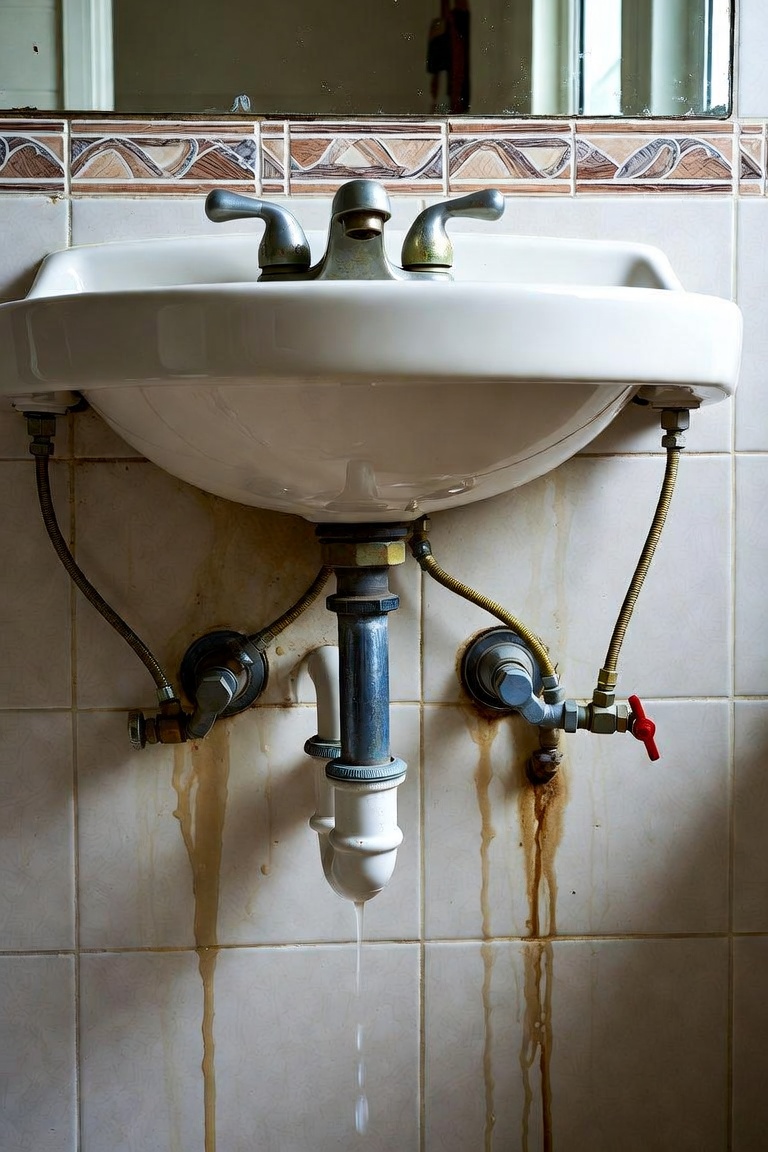
- Widespread water intrusion with evidence of rot, mold, or long-term damage
- Active wood destroying organism infestation with structural damage
- Major electrical hazards throughout the home, not just a few isolated items
- Sewer line failure found during a sewer scope, such as a collapsed or root-filled main line
- Multiple major systems at end of life at once, like the roof, HVAC, and water heater all needing replacement
Findings that usually aren’t deal-breakers:
- Missing GFCI outlets, loose railings, and other inexpensive safety corrections
- An older roof or HVAC system that still functions properly
- Minor drainage fixes, like extending downspouts
- Cosmetic issues, worn finishes, and routine maintenance items
As I explain in Material Defects and How They Affect Your Home, age alone isn’t a defect. A 15-year-old furnace that’s been maintained isn’t the same as a 6-year-old one that’s been neglected.
Questions to Ask Yourself Before Deciding
- What will it really cost? Get quotes from licensed contractors, not guesses. Estimates often change the conversation.
- Will the seller negotiate? Repairs, credits, or a price reduction may make the house work. See Repairs or Credits? What to Ask For After a Home Inspection.
- Can I afford it after closing? Even with a credit, ask whether you have the cash and patience for the work.
- Is it a safety problem? Some issues need to be fixed before anyone moves in.
- Would I buy this house again knowing what I know now? Your answer to this one is usually the honest one.
Don’t Make the Decision Alone
Call your inspector. I’m always glad to walk clients back through findings after the report is delivered, explain how serious an item really is, and suggest which specialists to bring in. A ten-minute conversation can calm a panic or confirm a gut feeling.
The Bottom Line
You can usually back out after a home inspection in Georgia, as long as you act within your due diligence period. The harder question is whether you should. Get the facts, get the quotes, and keep your eye on the deadline.
If you’re buying in the greater Atlanta area and want a report that helps you make that call with confidence, contact me at david@sherlockhic.com or 770-490-7948.
Quick Answers
Do I lose my earnest money if I back out after the inspection?
Generally not, if you terminate properly within your due diligence period. After it expires, your earnest money may be at risk.
Can a seller back out after the home inspection?
Sellers typically don’t have the same right. The due diligence period is a buyer protection.
Is it common for buyers to back out after an inspection?
Inspection and repair issues are among the most common reasons deals fall through, especially when buyers and sellers can’t agree on repairs.