Home Inspections: What Do They Cost? What Do They Cover? How Long Do They Take?
A professional home inspection is one of the most valuable steps in buying, selling, or maintaining a residential property. Understanding the true scope of the service, the time it requires, and its financial implications helps clients set realistic expectations and maximize the benefit.
The Scope of a Home Inspection
According to the InterNACHI Residential Standards of Practice, a general home inspection is a non-invasive, visual examination of the readily accessible areas of a residential property. It is designed to identify defects within specific systems and components that are both observed and deemed material by the inspector.
The inspection covers major systems and components, including:
- Roof (covering materials, gutters, downspouts, vents, flashings, penetrations, and general structure from accessible vantage points)
- Exterior (wall coverings, flashing, trim, doors, decks, walkways, grading, and drainage)
- Foundation, basement, crawlspace, and structure
- Heating and cooling systems (operated with normal controls when conditions permit)
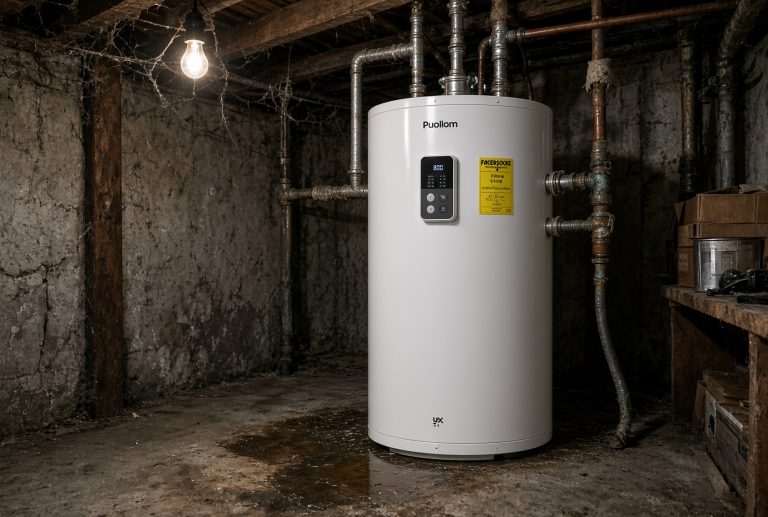
- Plumbing (supply and distribution, fixtures, drain-waste-vent systems, water heating equipment including TPR valves)
- Electrical (service entrance, panels, a representative number of outlets/switches/fixtures, grounding)
- Attic, insulation, and ventilation
- Interior (walls, ceilings, floors, doors, windows)
- Fireplaces and solid-fuel burning appliances (where present)
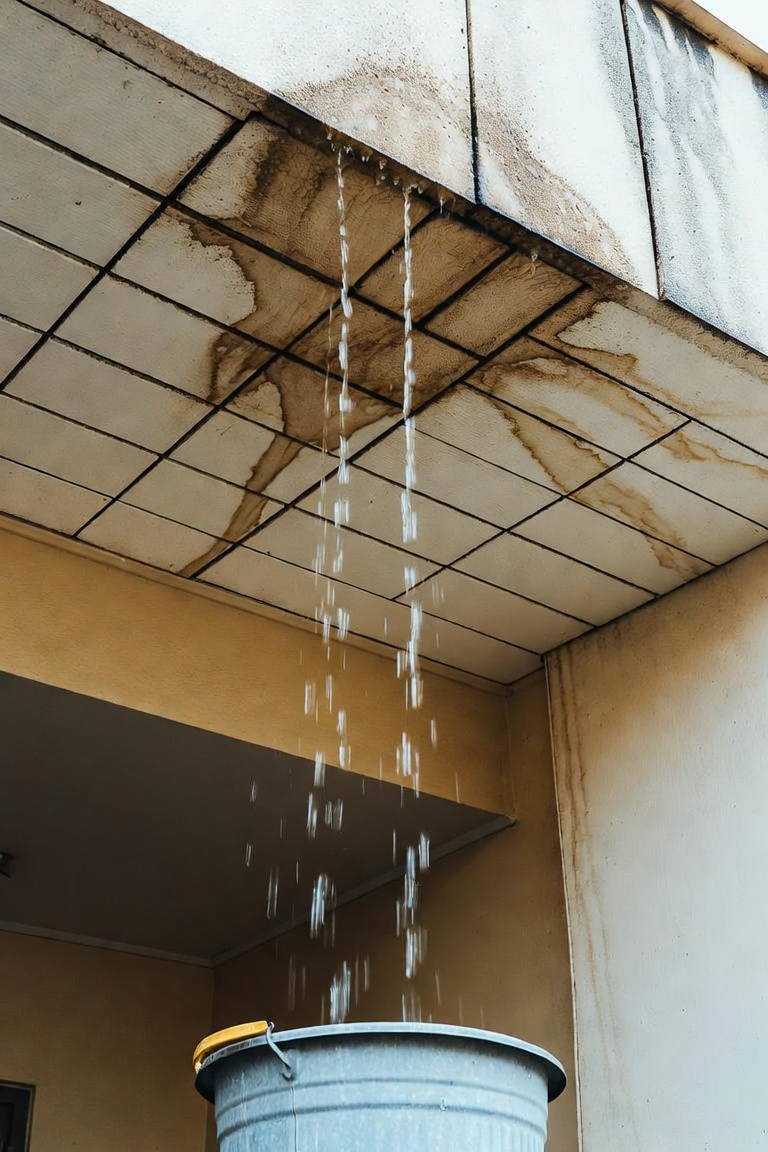
The Standards also require reporting observed indications of active issues (such as roof leaks) and describing key items such as the type of roof covering or water heater capacity when labeled.
Important limitations (shared by InterNACHI and ASHI Standards of Practice) include:
- The inspection is visual and non-invasive—it does not involve dismantling systems, moving personal property, or destructive testing.
- It will not identify every issue that exists or could ever exist, only material defects observed on the day of the inspection.
- It is not a code-compliance inspection, warranty, guarantee, or prediction of future performance.
- Concealed or latent defects, aesthetic/cosmetic concerns, environmental hazards (mold, radon, asbestos, lead, etc.), and items outside the defined systems are generally excluded unless specifically agreed upon as additional services.
- Inspectors are not required to walk on roofs that appear unsafe or that could be damaged by walking, predict remaining service life, or determine insurability or market value.
The scope may be modified by mutual agreement between the client and inspector before the inspection begins. Specialty services (sewer scope, radon testing, etc.) are typically offered separately.
Time Commitment
A standard home inspection of an average single-family home (approximately 1,500–2,500 square feet) typically takes 2 to 4 hours on site. Factors that influence duration include:
- Home size and complexity (larger or multi-level homes, multiple outbuildings, or extensive systems take longer)
- Age and condition of the property (older homes or those with deferred maintenance often require more time)
- Accessibility of areas such as attics, crawlspaces, and electrical panels
- Weather or other site conditions
Buyers are encouraged to attend, particularly for a summary walkthrough near the end of the inspection. This allows real-time questions and better understanding of findings. The written report is commonly delivered within 24 to 48 hours after the on-site visit, however, at Sherlock Homes Inspection Co, you can expect results to be delivered before we leave the property.
Financial Impact
The cost of a standard residential home inspection in the United States generally ranges from $300 to $700, with national averages often falling between $350 and $500 for a typical single-family home. Pricing varies by region, square footage, age of the home, and local market conditions. Larger or more complex properties cost more.
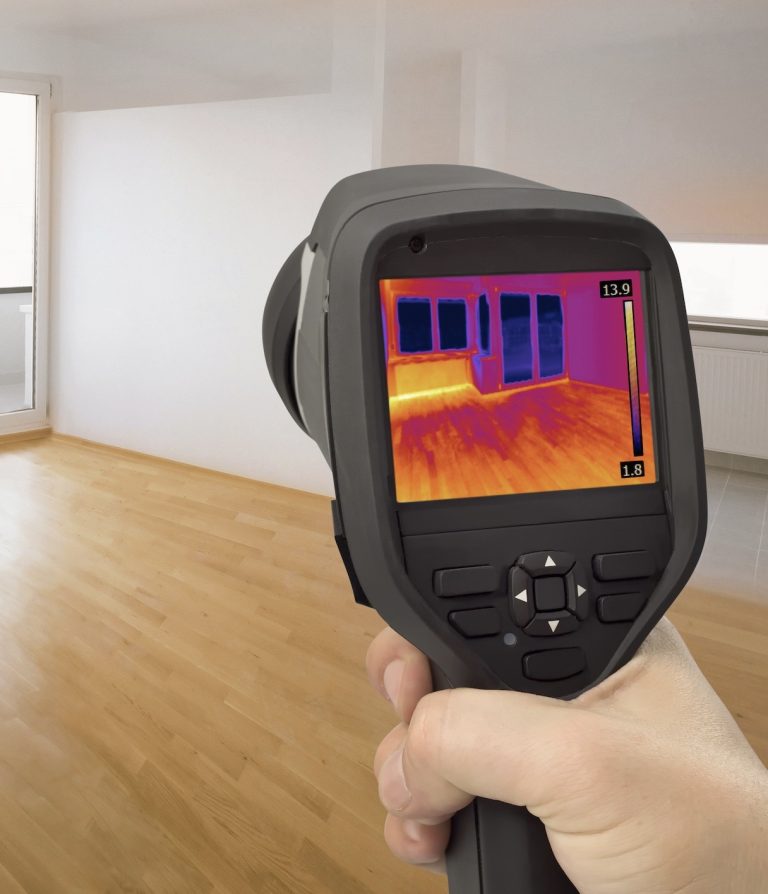
Optional add-on services (radon testing, sewer camera inspection, thermal imaging, etc.) increase the total.
While the inspection fee is a relatively small expense compared with the purchase price of a home, its financial impact can be substantial:
- Negotiation leverage: Material defects documented in the report often support requests for repairs, credits, or price adjustments.
- Avoiding costly surprises: Identifying significant issues (foundation concerns, major roof problems, electrical hazards, or failing systems) before closing can prevent unexpected expenses that run into the thousands or tens of thousands of dollars.
- Informed decision-making: Buyers gain a clearer picture of near-term and longer-term maintenance needs, helping with budgeting and determining whether the property fits their financial plans.
- Seller benefits: A pre-listing inspection allows sellers to address issues proactively, potentially strengthening the listing and reducing the chance of deal disruptions later.
- Risk reduction: The modest cost of the inspection is frequently far outweighed by the protection it provides against purchasing a home with serious undisclosed problems.
In short, a home inspection is an investment in information. It does not guarantee a perfect house (no inspection can), but it delivers an independent, professional assessment of observable material conditions on a specific date.
At Sherlock Homes Inspection Co, LLC, I follow InterNACHI Standards of Practice to deliver thorough, clear reports that help clients understand both the strengths and the significant concerns of a property. Whether you are buying, selling, or evaluating your current home, a professional inspection provides the clarity needed for confident decisions.
Visit www.sherlockhic.com to schedule an inspection or learn more about how this process works. Understanding the scope, time commitment, and financial value of a home inspection helps you get the most from the experience.