Material Defects and How They Affect Your Home
When you hire a professional home inspector, one of the most important terms you will encounter in the report is “material defect.” Understanding this concept helps you interpret findings accurately, prioritize repairs, and make informed decisions about buying, selling, or maintaining a property.
As an InterNACHI Certified Professional Inspector (CPI) and owner of Sherlock Homes Inspection Co, my role is to identify and clearly report material defects that I both observe and deem significant according to industry standards.
The Official Definition
According to the InterNACHI Residential Standards of Practice:
A material defect is a specific issue with a system or component of a residential
property that may have a significant, adverse impact on the value of the property,
or that poses an unreasonable risk to people. The fact that a system or
component is near, at, or beyond the end of its normal useful life is not, in itself, a
material defect.
ASHI Standards of Practice use similar language, emphasizing conditions that significantly affect the value, habitability, or safety of the dwelling.
In plain terms, a material defect is a problem serious enough that it can lower the home’s market value in a meaningful way or create a real safety hazard for the people living there.
What Is Not a Material Defect
It is equally important to understand what does not automatically qualify:
- A roof, water heater, furnace, or appliance that is simply old or near the end of its expected lifespan.
- Cosmetic issues such as worn carpet, faded paint, minor drywall cracks, or outdated fixtures.
- Minor maintenance items that do not significantly affect value or safety.
- Conditions that are not visible or accessible during a non-invasive inspection.
Age alone does not make something a material defect. Performance and risk do.
Common Examples of Material Defects
Material defects vary by home, but typical examples include:
- A deck or balcony that is structurally unsound and poses a risk of collapse.
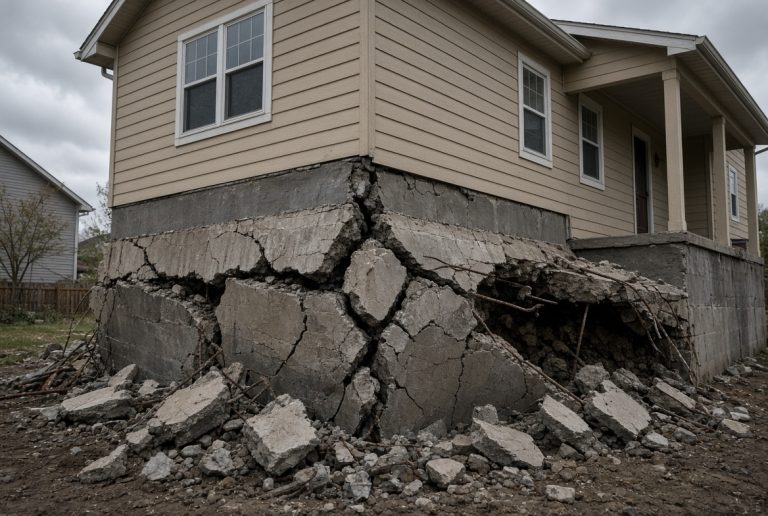
- Significant foundation movement or major cracks that compromise structural integrity.
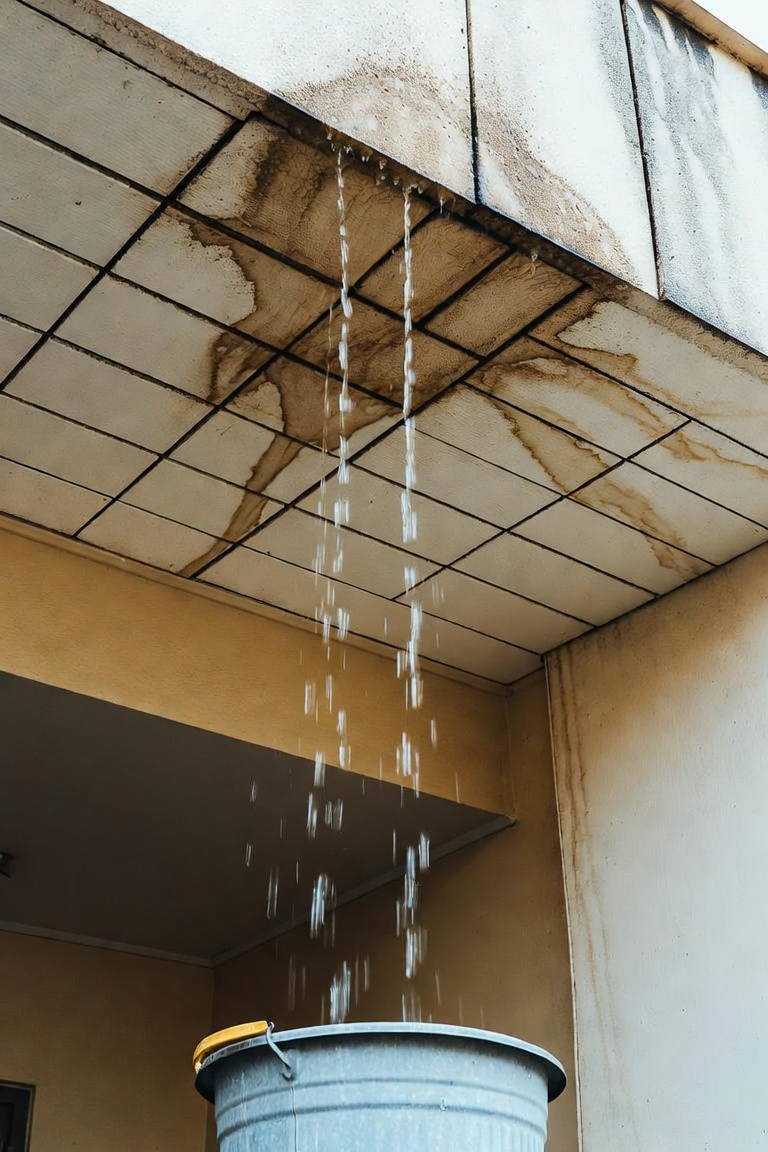
- Active roof leaks that have already caused interior water damage or mold risk.
- Electrical hazards such as exposed live wiring, double-tapped breakers that create fire risk, or missing grounding that poses shock danger.
- A water heater or boiler with a leaking tank that could flood the home.
- Missing or non-functional safety devices that create unreasonable risk (for example, certain combustion safety issues).
- Major plumbing failures that allow sewage backup or widespread water damage.
These are issues an inspector both sees and judges to be significant based on training and experience.
How a Material Defect Affects Your Home
1. Safety of Occupants
The most critical impact is personal safety. A condition that poses an unreasonable risk—such as a collapsing deck or dangerous electrical system—requires prompt attention to protect the people living in or visiting the home.
2. Property Value and Marketability
A material defect can reduce the home’s market value because buyers will factor in the cost of repair or the perceived risk. Sellers may need to address the issue, offer a credit, or adjust the price to complete a sale.
3. Real Estate Negotiations
During a purchase, material defects listed in the inspection report often become negotiation points. Buyers may request repairs, price reductions, or credits. Sellers benefit from knowing about these issues in advance so they can address them proactively.
4. Repair Priorities and Cost
Material defects typically require professional evaluation and correction by qualified contractors. Ignoring them can lead to more extensive (and expensive) damage over time—water intrusion leading to structural rot, for example, or electrical problems escalating into fire hazards.
5. Insurance and Future Liability
Some material defects, particularly those related to safety or water damage, can affect insurability or lead to claims. Addressing them protects both the property and the owner’s long-term interests.
6. Habitability
Severe defects can make parts of the home uncomfortable or unusable until corrected (for instance, a major plumbing failure or extensive water damage).
The Role of the Home Inspection
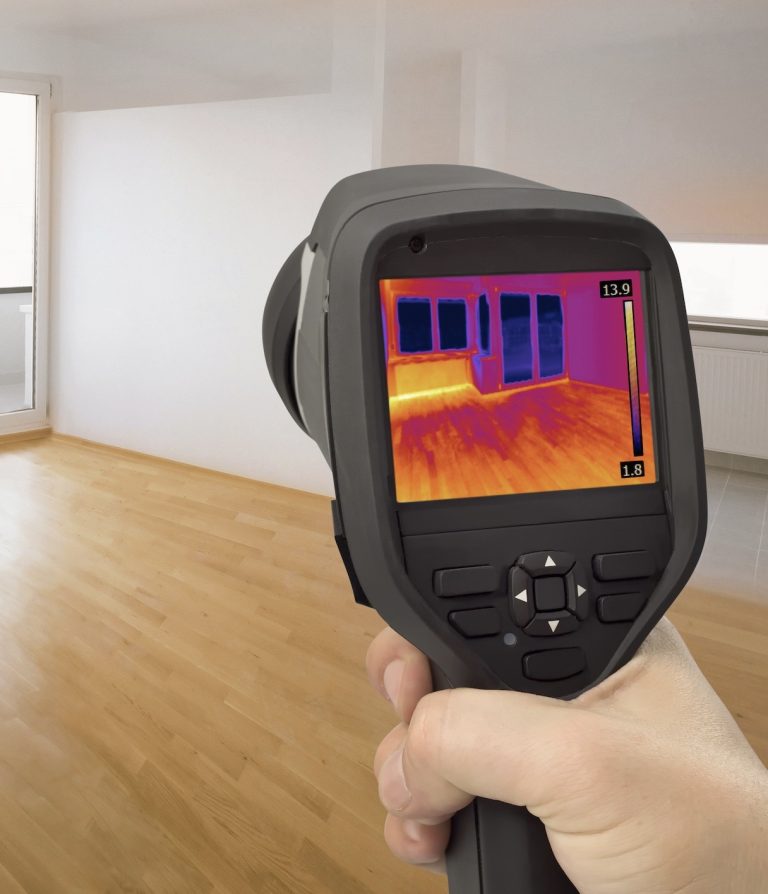
A home inspection is a non-invasive, visual examination of accessible systems and components. The inspector is required to report material defects that are both observed on the day of the inspection and deemed material. The inspection does not reveal every possible problem that exists or could ever exist—only those material defects visible and accessible at the time.
Inspection reports may also include additional comments and recommendations for further evaluation by specialists (structural engineers, licensed electricians, etc.).
At Sherlock Homes Inspection Co, I carefully evaluate the property according to InterNACHI Standards of Practice and clearly document any material defects so you understand their significance and can take appropriate action.
Bottom Line for Homeowners
A material defect is not every small problem in a house. It is a specific, significant issue that either threatens safety or meaningfully affects the home’s value. Recognizing and addressing these conditions protects your investment, your family’s well-being, and your negotiating position in a real estate transaction.
If you are buying, selling, or simply want a professional assessment of your current home, a thorough inspection can identify material defects before they become larger problems.
Contact us today to schedule an inspection with Sherlock Homes Inspection Co. Understanding what truly matters helps you make confident decisions about your property.