Should You Waive the Home Inspection to Win the House?
When inventory is tight and multiple offers are on the table, buyers start looking for any edge they can get. One of the most common moves is waiving the home inspection, or giving up the right to act on it. According to the National Association of Realtors’ Realtors Confidence Index, 18% of buyers waived the inspection contingency in December 2025.
I understand the pressure. But as an InterNACHI Certified Professional Inspector (CPI) and the owner of Sherlock Homes Inspection Co, LLC, I’ve seen what buyers find after closing when nobody looked first. Before you waive anything, here’s what you’re actually giving up, and how to write a strong offer without flying blind.
What “Waiving the Inspection” Really Means
There are two different things people mean when they say they waived the inspection:
- Skipping the inspection entirely. No inspector ever evaluates the home. You learn about its condition after you own it.
- Waiving your right to act on the inspection. You may still get an inspection, but you’ve agreed you won’t back out or renegotiate based on what it finds.
In Georgia, most residential contracts don’t use a traditional “inspection contingency.” Instead, buyers negotiate a due diligence period, a window in which they can inspect the home and terminate for any reason. In our market, “waiving the inspection” usually means offering a very short due diligence period or none at all. I explain how that works in How Home Inspections Work During Georgia’s Due Diligence Period.
What You Risk When You Waive
A few hundred dollars and a few days are all you save by waiving. Here’s what you take on:
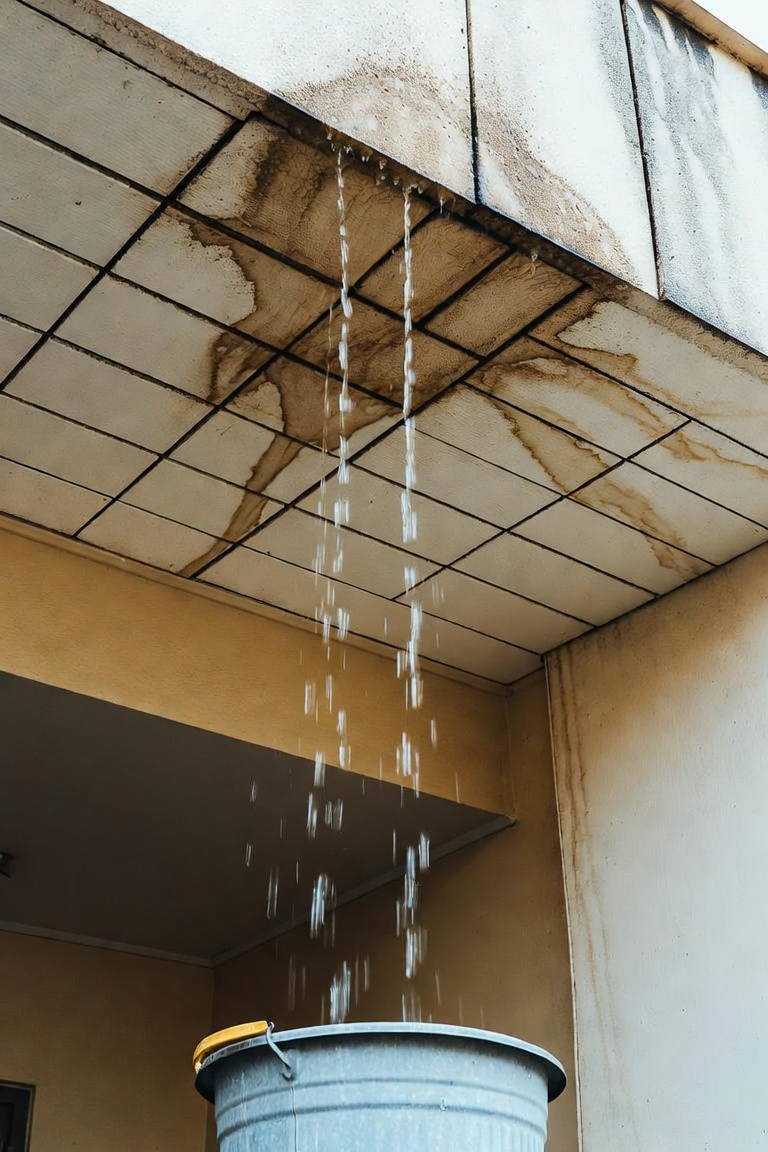
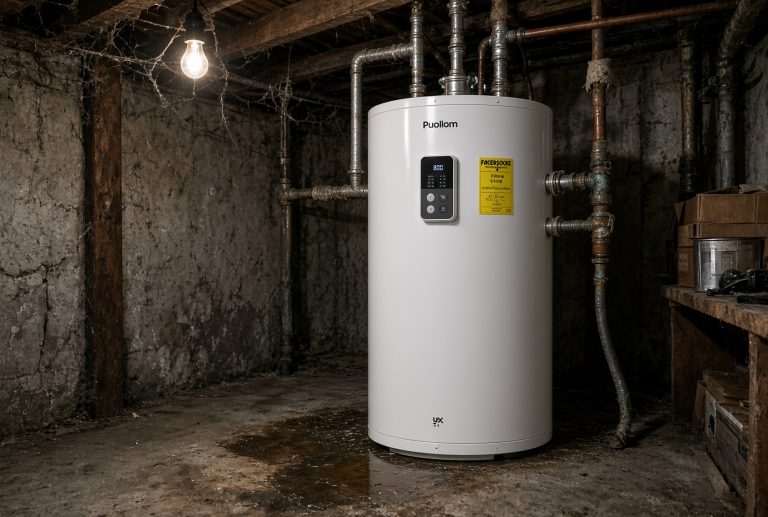
- Hidden major repairs. Foundation movement, roof failure, outdated electrical panels, and failing HVAC systems can each cost thousands to tens of thousands of dollars.
- Safety hazards. Exposed wiring, improperly vented gas appliances, and unsound decks put your family at risk from day one.
- Lost negotiating power. Without inspection findings, you have no documented basis to ask for repairs, credits, or a lower price.
- Insurance surprises. Some conditions, like certain older electrical panels or roof damage, can make a home harder or more expensive to insure.
- No exit. If you find a serious problem after the window closes, walking away can cost you your earnest money.
Seller disclosures help, but they aren’t a substitute. Sellers can only disclose what they know, and many problems are invisible to someone who has lived with them for years.
The Pressure Is Real, and So Are the Consequences
The home inspection industry has taken notice of the rise in waivers. Massachusetts now bars sellers from requiring buyers to waive an inspection as a condition of accepting an offer, and New York lawmakers have proposed a similar protection. Georgia has no such rule, so the decision is entirely yours.
How to Make a Strong Offer Without Waiving Your Inspection
You don’t have to choose between a competitive offer and protecting yourself. Talk with your agent about these options:
- Shorten the due diligence period. Offering a tight window, such as 5 to 7 days, shows the seller you’re serious. I can usually schedule within a day or two and deliver my report before I leave the property, so a short window is workable.
- Offer a larger due diligence fee. In Georgia, this fee goes to the seller and is generally non-refundable, which makes your offer more attractive without giving up your right to inspect.
- Use a repair threshold. Agree you won’t ask for repairs on items below a set dollar amount, so the seller knows you won’t nitpick.
- Do an informational inspection. Get the inspection for your own knowledge and commit to not requesting repairs, while keeping the right to walk if something major turns up.
- Inspect before you offer. With the seller’s permission, a pre-offer walkthrough or inspection lets you submit a clean offer with your eyes open.
- Ask for the seller’s pre-listing report. If the seller had the home inspected before listing, review it carefully. It’s a great starting point, though I still recommend your own inspection.
The Bottom Line
Waiving the inspection can help you win a house. It can also help you win a money pit. The smartest buyers find ways to compete that still let them see what they’re buying.
As I wrote in Don’t Be Dumb. Get A Home Inspection., the inspection fee is a small investment compared with the cost of discovering serious problems after closing. If you’re writing an offer in the greater Atlanta area and need a fast turnaround, contact me at david@sherlockhic.com or 770-490-7948.
Quick Answers
Is it ever okay to waive a home inspection?
It’s a risk at any price point. Cash investors planning a full renovation sometimes accept it, but most buyers should keep at least an informational inspection.
Can I get an inspection after closing?
Yes, and it’s far better than nothing. You’ll learn what needs attention, but you’ll have no leverage with the seller.
Does waiving the inspection mean I can’t inspect at all?
Not necessarily. Many buyers still inspect for information. Make sure your contract and the seller allow access before you schedule.