How to Prepare Your Home for the Buyer’s Inspection: A Seller’s Checklist
You’ve accepted an offer, and the buyer’s inspection is on the calendar. What happens in the next few hours can shape the rest of your sale. A well-prepared home makes a better impression, produces a cleaner report, and leads to fewer repair requests.
As an InterNACHI Certified Professional Inspector (CPI) and the owner of Sherlock Homes Inspection Co, LLC, I’ve inspected more than 1,000 homes. I can tell within minutes whether a seller prepared. Here’s the checklist I’d give every seller before inspection day.
Make Everything Accessible
If I can’t reach it, I can’t inspect it, and the report will say so. “Not inspected due to access” makes buyers nervous and often leads to a second visit, which can delay your closing.
- Clear a path to the attic access, and move stored items out of the way
- Clear access to the crawlspace entrance or basement
- Move furniture, boxes, and stored items away from the electrical panel
- Clear space around the furnace, air handler, and water heater
- Unlock gates, sheds, detached garages, and outbuildings
- Leave remotes for garage doors, ceiling fans, and gas fireplaces
- Clear under sinks so plumbing can be checked for leaks
Make Sure the Utilities Are On
I need water, electricity, and gas to test the home’s systems. If a utility is off, major systems like the HVAC, water heater, and plumbing can’t be evaluated. This is especially important for vacant homes.
- Water on, with all valves open
- Electricity on, with no tripped breakers
- Gas on, with pilot lights lit
Handle the Easy Fixes First
Small items are inexpensive to fix, but they add up in a report and make a home look poorly maintained. Knock these out before inspection day:
- Replace burned-out light bulbs so working fixtures don’t look broken
- Replace the HVAC filter
- Test smoke and carbon monoxide detectors, and replace batteries
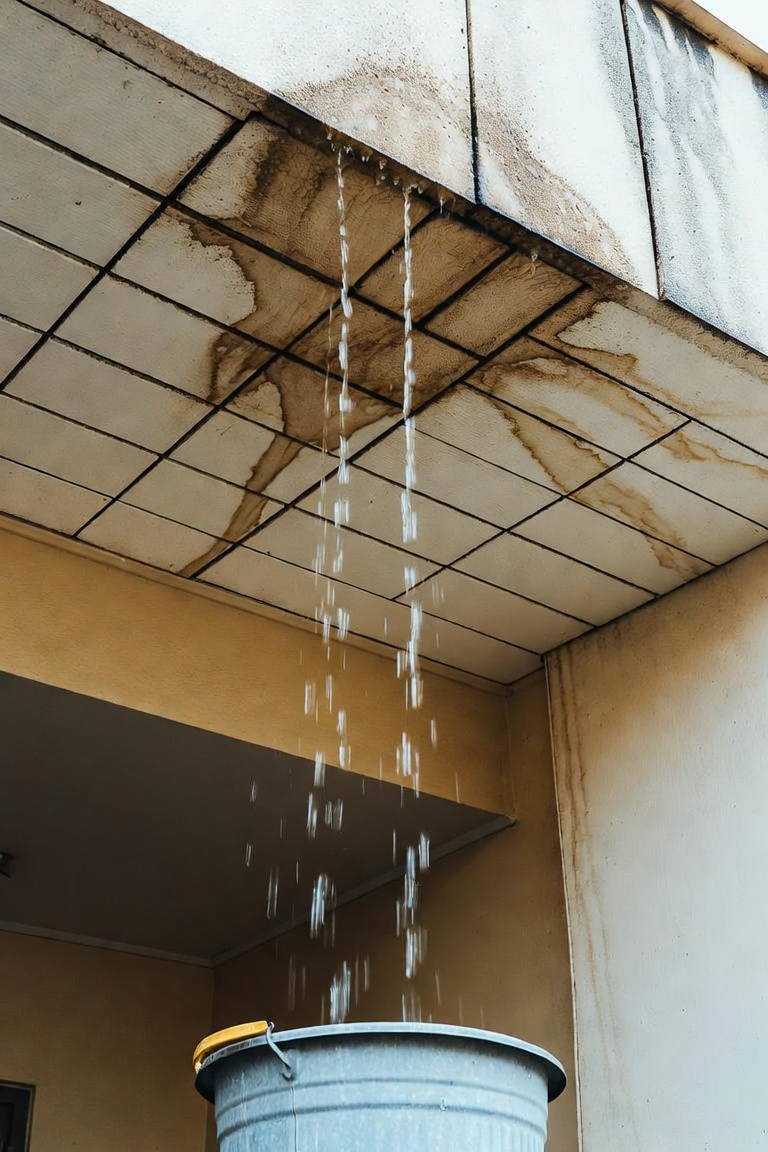
- Fix dripping faucets and running toilets
- Tighten loose doorknobs, cabinet hardware, and handrails
- Replace missing outlet and switch cover plates
- Make sure doors and windows open, close, and latch
- Clean the gutters and make sure downspouts carry water away from the foundation
- Trim shrubs and tree limbs away from the siding and roof
- Seal gaps around tubs, showers, and sinks with fresh caulk
Gather Your Paperwork
Documentation helps buyers trust the home’s condition and answers questions before they become repair requests.
- Receipts and warranties for recent repairs and upgrades
- Roof replacement date and any warranty
- HVAC service records
- Termite bond or treatment records
- Any prior inspection reports, including a pre-listing inspection
Leave these in a folder on the kitchen counter, or give them to your agent to share.
Plan for Inspection Day
- Leave the home for the full inspection, typically 2 to 4 hours
- Take pets with you, or secure them in a crate
- Tidy up, since a clean home signals a well-cared-for home
- Leave a note with anything the inspector should know, like a tricky light switch or a breaker that controls an outdoor outlet
Wondering why you should leave? I explain it in Should You Attend Your Home Inspection? (And Should the Seller?).
What Not to Do
- Don’t hide problems. Fresh paint over a water stain is easy to spot, and it damages trust fast. Disclose known issues honestly.
- Don’t make rushed, amateur repairs. A sloppy fix often looks worse in a report than the original problem.
- Don’t panic about age. An older roof or HVAC system that still works isn’t a defect by itself. See Material Defects and How They Affect Your Home.
Want to Know What the Buyer Will Find?
The best way to prepare is to see your home the way the buyer’s inspector will. A pre-listing inspection shows you the problems before they become negotiating points. Read Is a Pre-Listing Home Inspection Worth It for Sellers?
The Bottom Line
A little preparation goes a long way. Clear access, working utilities, a handful of easy fixes, and organized paperwork can mean a cleaner report, fewer repair requests, and a smoother path to closing.
If you’re selling in the greater Atlanta area, contact me at david@sherlockhic.com or 770-490-7948.
Quick Answers
What should sellers fix before a home inspection?
Focus on safety items, leaks, and inexpensive fixes like bulbs, filters, detector batteries, and dripping faucets.
Should a seller be home during the inspection?
Usually not. Leaving lets buyers ask questions freely and lets the inspector work efficiently.
What happens if the inspector can’t access something?
The report will note it as not inspected, which can worry buyers and may require a return visit.