5 Tips to Extend the Life of Your HVAC
Your home’s heating, ventilation, and air conditioning (HVAC) system works hard to keep your living spaces comfortable year-round. With proper care, many systems last 12–20 years or longer, depending on the type of equipment, climate, usage, and maintenance. As an InterNACHI Certified Professional Inspector one of the clearest patterns I see is that well-maintained systems perform more efficiently, break down less often, and reach (or exceed) their expected service life.
Neglect, on the other hand, forces components to work harder, raises energy bills, and shortens equipment life. The good news is that a combination of simple homeowner habits and professional service can make a significant difference.
1. Change the Air Filter Regularly
This is the single most important and easiest maintenance task. A dirty filter restricts airflow, making the blower motor and other components work harder. It can also lead to frozen coils, overheating, reduced efficiency, and poorer indoor air quality.
Inspect the filter at least once a month, especially during peak heating and cooling seasons. Replace it when it looks dirty or at least every one to three months (more often if you have pets, allergies, or live in a dusty area). Always install the new filter with the airflow arrow pointing in the correct direction. A clean filter is one of the cheapest ways to protect your system.
2. Schedule Professional Tune-Ups
InterNACHI guidance and industry best practices recommend having a qualified technician service the system at least once a year—ideally twice: the cooling system in spring before heavy use, and the heating system in fall. During these visits, technicians typically clean coils, check electrical connections, lubricate moving parts, inspect the condensate drain, verify refrigerant levels (on cooling systems), examine the heat exchanger (on furnaces), and test overall operation.
Regular professional maintenance helps catch small issues before they become expensive failures and keeps the system running closer to its designed efficiency.
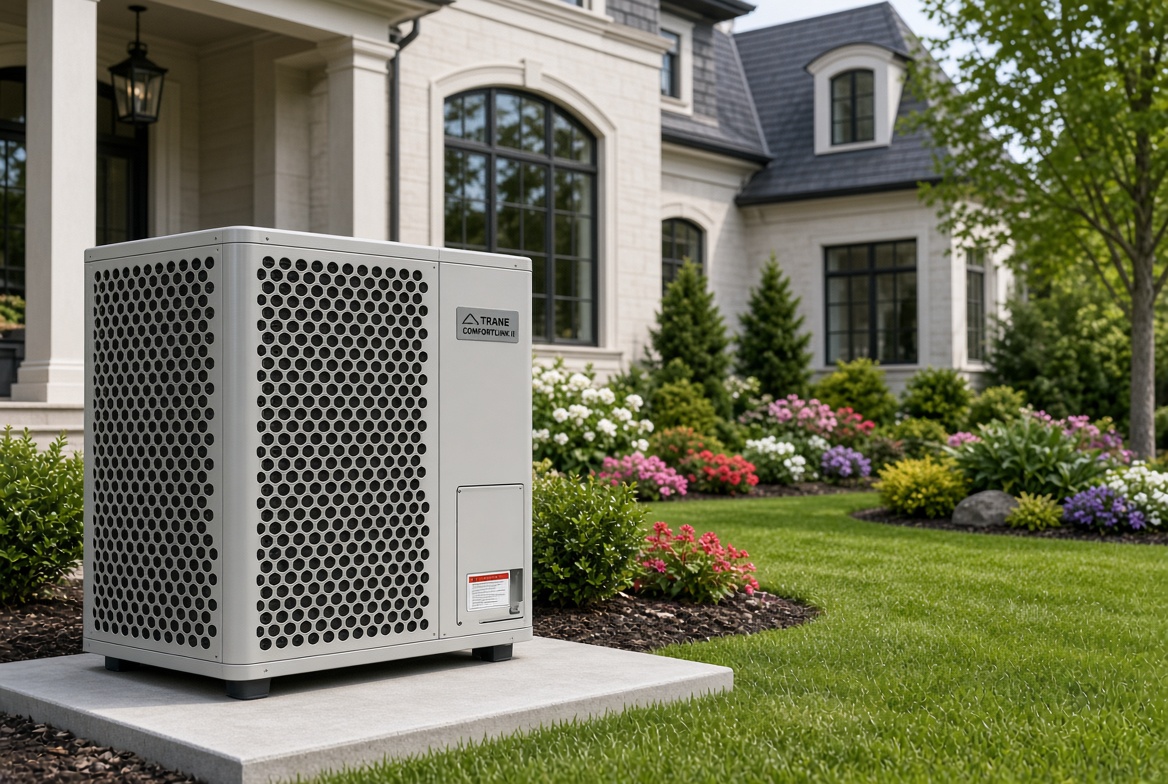
3. Keep the Outdoor Unit Clear and Level
The outdoor condenser (for air conditioners and heat pumps) needs good airflow. Manufacturers generally recommend at least two feet of clearance around the unit and five feet above it. Trim back foliage, remove leaves, grass clippings, and debris regularly. Avoid directing lawn-mower discharge toward the unit.
The unit should also sit level. Many compressors lubricate from the bottom; an unlevel unit can cause uneven wear. If it is only slightly out of level, careful shimming may help, but avoid damaging refrigerant lines. For significant issues, call a professional.
4. Use the System Wisely
Avoid extreme thermostat settings that force the equipment to run continuously under high stress—for example, setting the air conditioner to a very low temperature on an extremely hot, humid day. Use a programmable or smart thermostat to reduce runtime when the house is unoccupied. Keep supply and return vents clear of furniture, rugs, or curtains so air can circulate freely.
On heat pumps, understand that auxiliary or emergency heat modes increase energy use and wear; use them only when needed.
5. Address Ducts and the Home’s Thermal Envelope
Leaky or uninsulated ducts waste conditioned air and make the system work harder. Visible duct connections can often be sealed with mastic or foil tape (not ordinary cloth duct tape). Insulating ducts in unconditioned spaces (attic or crawlspace) further improves performance.
Good attic and wall insulation, along with air sealing, reduces the overall heating and cooling load. When the home itself is more efficient, the HVAC system experiences less stress and cycles less frequently.
Other Helpful Habits
- Keep the area around the indoor air handler or furnace clear for service access and proper airflow.
- Ensure condensate drain lines remain clear to prevent water damage and system shutdowns.
- Test the system in mild weather before extreme seasons begin so any problems can be addressed early.
- Install and maintain carbon monoxide detectors if you have fuel-burning equipment.
What a Home Inspection Reveals About HVAC
During a standard residential inspection performed to InterNACHI Standards of Practice, the inspector operates the heating and cooling systems using normal controls (when weather conditions allow safe operation), notes the location of the thermostat, describes the energy source and method, and reports systems that do not operate or are inaccessible. While a general home inspection is not a comprehensive technical service, it provides a valuable snapshot of the system’s visible condition and operation at the time of the inspection.
The Bottom Line
Consistent filter changes, seasonal professional service, clear outdoor equipment, sensible thermostat use, and attention to ducts and insulation are the practical steps that help HVAC systems last longer and perform better. These habits also improve comfort and can lower operating costs.
If you are buying or selling a home, or simply want an independent evaluation of your current system’s condition, schedule an inspection with Sherlock Homes Inspection Co, LLC.
Contact us at david@sherlockhic.com or 770-490-7948 to book an appointment.
A well-cared-for HVAC system is one of the best investments you can make in the comfort and value of your home.