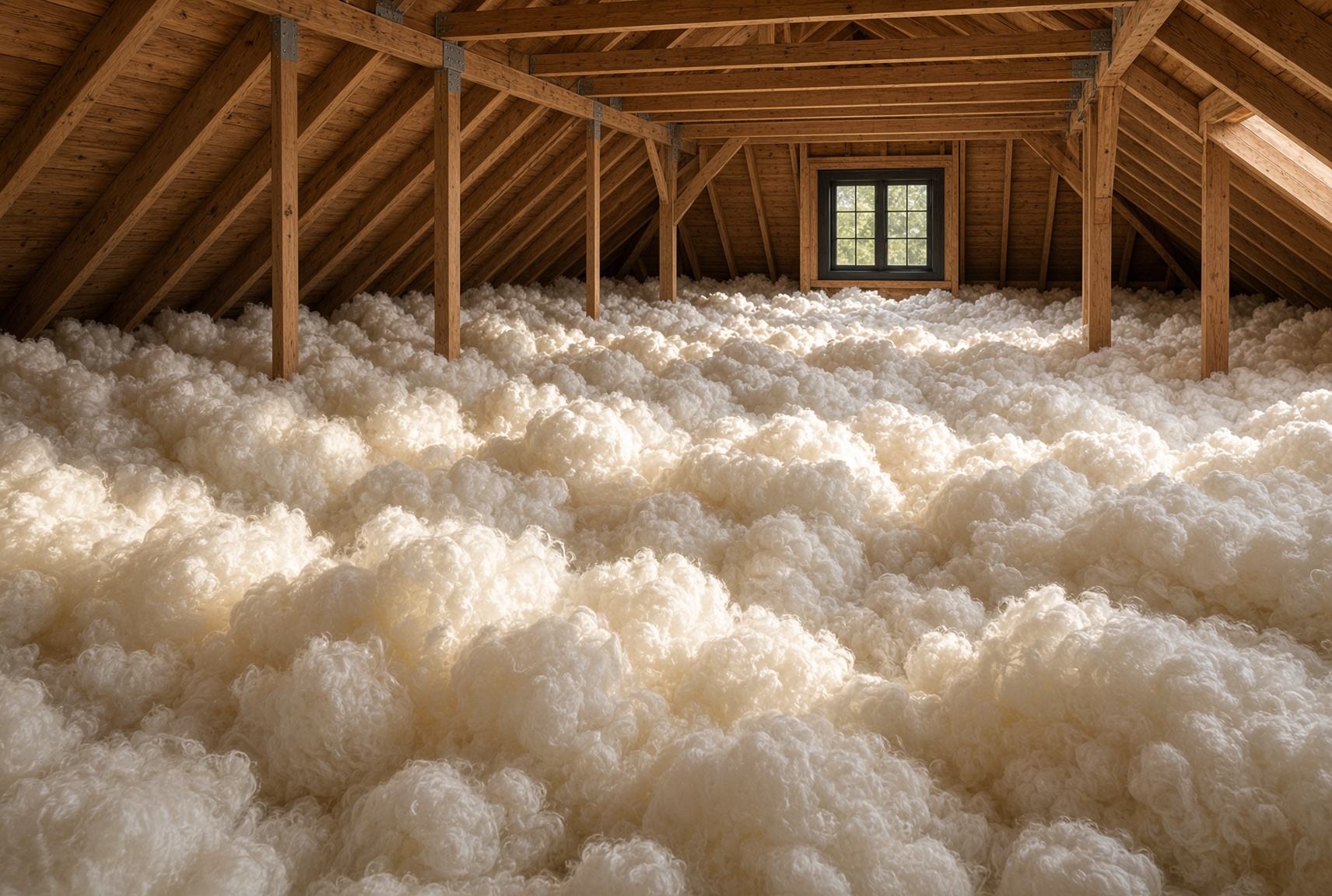
The Importance of Insulation
Proper insulation is one of the most effective—and often overlooked—ways to improve a home’s comfort, efficiency, and long-term performance. Too often I see how inadequate or poorly installed insulation affects energy bills, indoor comfort, and even the durability of other building components.Insulation works by resisting the flow of heat. In winter it helps keep warm air inside; in summer it helps keep outdoor heat from entering. The measure of this resistance is called R-value—the higher the R-value, the greater the resistance to heat flow. When insulation is missing, compressed, uneven, or insufficient for the climate, conditioned air escapes and the heating and cooling systems must work harder.
Why Insulation Matters
Heating and cooling typically account for a large share of a home’s energy use. When heat escapes through the attic, walls, floors, or foundation areas, utility costs rise and indoor temperatures become less consistent. Rooms may feel drafty in winter or uncomfortably warm in summer, especially on upper floors. Proper insulation reduces these temperature swings, improves overall comfort, and can lower energy bills for years.Beyond cost savings, good insulation contributes to a healthier indoor environment. By limiting uncontrolled air movement, it helps reduce the infiltration of outdoor pollutants, dust, and moisture. When combined with proper air sealing and ventilation, insulation supports better humidity control and can lessen the risk of condensation-related problems.Insulation also reduces the workload on HVAC equipment. Systems that run less frequently and for shorter cycles tend to last longer and require fewer repairs. In many cases, upgrading attic insulation ranks among the most cost-effective energy improvements a homeowner can make.
The Critical Role of the Attic
Because warm air rises, a significant amount of heat loss occurs through the attic. InterNACHI resources note that adequate attic insulation acts much like a winter hat—keeping the living space below more comfortable while preventing expensive heated air from escaping. In colder climates, recommended attic insulation depths are often substantial (commonly aiming for higher R-values such as R-38 to R-60 depending on the region). Even in milder climates, sufficient attic insulation helps control summer heat gain.
During a home inspection performed to InterNACHI and ASHI Standards of Practice, inspectors examine insulation in unfinished spaces—including attics, crawlspaces, and foundation areas—when those spaces are safely accessible. We describe the type of insulation observed and the approximate average depth at the unfinished attic floor. The general absence of insulation or ventilation in unfinished spaces is reported as needing correction. Inspectors are not required to disturb insulation, determine exact R-values, or move vapor retarders.
Common Insulation Issues Observed During Inspections
- Insufficient depth or missing insulation in key areas
- Compressed or disturbed insulation that has lost effectiveness
- Gaps around penetrations (lights, vents, chimneys, wiring)
- Moisture damage that reduces insulating performance
- Poor coverage over the attic access hatch or pull-down stairs
- Insulation blocking necessary ventilation pathways
These conditions are frequently correctable and often deliver a strong return through lower energy use and improved comfort.
Insulation Beyond the Attic
While the attic is usually the highest priority, insulation in walls, floors over unconditioned spaces, and foundation or crawlspace areas also contributes to overall performance. Foundation walls and slabs that lack adequate insulation can make lower levels of the home feel cold and increase energy demand. Proper installation that fills cavities completely—without gaps, voids, or compression—maximizes effectiveness.Air sealing works hand-in-hand with insulation. Even high R-value material performs poorly if air leaks freely around it. Sealing gaps and then adding or improving insulation is a proven strategy for better results.
Benefits You Can Expect
- More consistent indoor temperatures year-round
- Lower heating and cooling costs
- Reduced strain on HVAC systems
- Improved comfort and fewer drafts
- Potential contribution to higher resale appeal for energy-conscious buyers
- Better control of moisture movement when paired with proper ventilation
Insulation is not a one-time “set it and forget it” feature. Over the life of a home, settling, moisture, pest activity, or renovations can affect its condition. Periodic professional evaluation helps ensure it continues to perform as intended.
At Sherlock Homes Inspection Co, LLC, every residential inspection includes a careful look at accessible insulation and related ventilation according to InterNACHI Standards of Practice. I document what I observe so you have clear information about the current condition and practical next steps if improvements are warranted.
Whether you are buying a home, selling one, or simply want to understand how well your current insulation is performing, a thorough inspection provides valuable insight.
Contact me at david@sherlockhic.com or 770-490-7948 to schedule an inspection. Proper insulation is a quiet but powerful investment in comfort, efficiency, and the long-term health of your home.